Benefits of Prenatal Care for a Healthy Pregnancy
Introduction
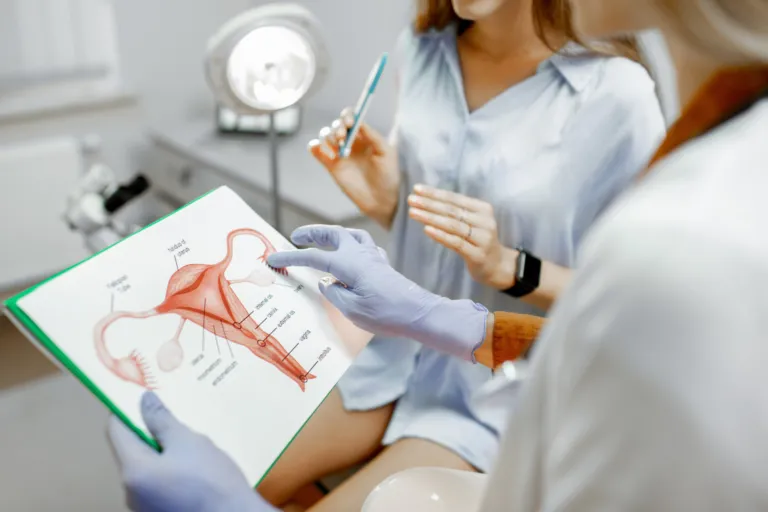
Pregnancy is an important journey that requires proper medical attention and care to protect the health of both the mother and the developing baby. Prenatal care refers to the medical care and regular health checkups a woman receives during pregnancy. It helps monitor the baby’s development, identify potential complications, and support the mother’s physical and emotional well-being. Starting prenatal care early and attending regular appointments can contribute to a healthier pregnancy and safer delivery.
1. Monitors the Baby’s Growth and Development
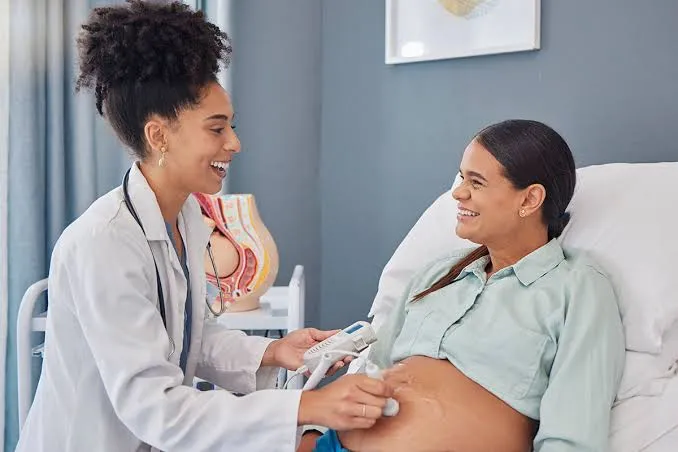
One of the major benefits of prenatal care is monitoring the baby’s growth throughout pregnancy. Healthcare professionals use physical examinations, ultrasound scans, and other recommended tests to check the baby’s development. These assessments help identify potential concerns and ensure that the pregnancy is progressing as expected.
2. Detects Pregnancy Complications Early
Regular prenatal visits help doctors identify health problems that may affect the mother or baby. Conditions such as gestational diabetes, high blood pressure, and anemia can develop during pregnancy. Early detection allows healthcare professionals to recommend appropriate treatment and reduce the risk of complications.
3. Supports Maternal Nutrition
Proper nutrition is essential for a healthy pregnancy. During prenatal appointments, healthcare providers offer advice about eating a balanced diet that includes fruits, vegetables, whole grains, proteins, and essential nutrients. They may also recommend supplements such as folic acid and iron based on individual needs.
4. Provides Important Pregnancy Tests
Prenatal care includes different medical tests that help evaluate the health of the mother and baby. Depending on the stage of pregnancy and medical history, doctors may recommend blood tests, urine tests, ultrasound examinations, and screening for certain infections or genetic conditions. These tests provide valuable information about pregnancy health.
5. Helps Manage Pregnancy Symptoms
Many women experience symptoms such as nausea, vomiting, back pain, fatigue, heartburn, and swelling during pregnancy. Prenatal visits give women an opportunity to discuss these concerns with their healthcare providers. Doctors can suggest safe ways to manage discomfort and explain which symptoms require medical attention.
6. Promotes Emotional and Mental Well-Being
Pregnancy can bring emotional changes, anxiety, and stress. Regular consultations provide an opportunity for women to discuss their feelings and receive professional support. Healthcare providers can also identify symptoms of depression or anxiety and recommend appropriate care when needed.
7. Prepares Women for Labor and Delivery
Prenatal care helps expecting mothers prepare for childbirth. Doctors discuss different delivery options, signs of labor, pain management, and possible complications. This information helps women understand what to expect and make informed decisions about their delivery plans.
8. Provides Guidance for a Healthy Lifestyle
Healthcare professionals offer advice about physical activity, sleep, hydration, and avoiding harmful substances during pregnancy. They can also explain which medications are safe and which should be avoided. Following these recommendations helps support maternal and fetal health.
When Should You Start Prenatal Care?
Women should arrange their first prenatal appointment as soon as they know or suspect they are pregnant. Early care allows healthcare providers to review medical history, estimate the pregnancy stage, recommend necessary tests, and develop an appropriate care plan. Regular appointments should continue throughout pregnancy according to medical advice.
Conclusion
Prenatal care plays an essential role in supporting a healthy pregnancy. It helps monitor fetal development, detect complications early, improve maternal nutrition, manage pregnancy symptoms, and prepare women for childbirth. Every expecting mother should prioritize regular prenatal checkups and follow professional medical guidance to support the best possible health outcomes for herself and her baby.
Editorial Team
This article was researched and written by the Vencoing Com Editorial Team. We focus on accurate, practical explanations of technology topics and link to official sources so you can verify key points yourself.
Meet the teamYou May Also Like