What Are the Common Causes of Pelvic Pain in Women?
Introduction
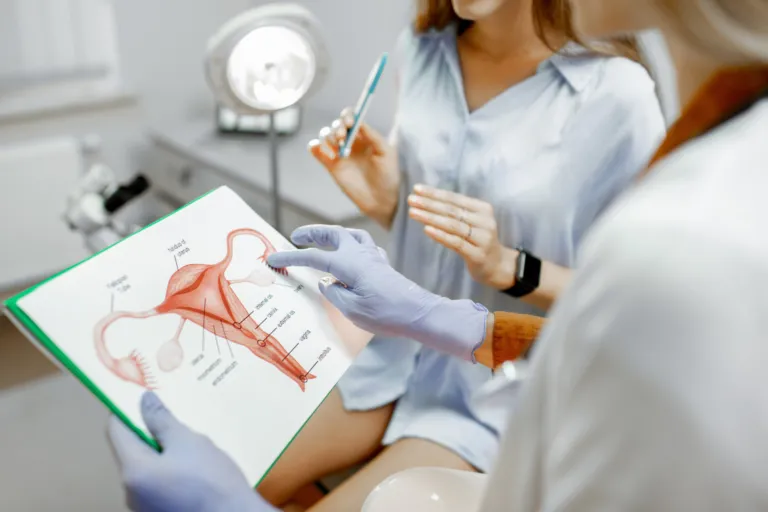
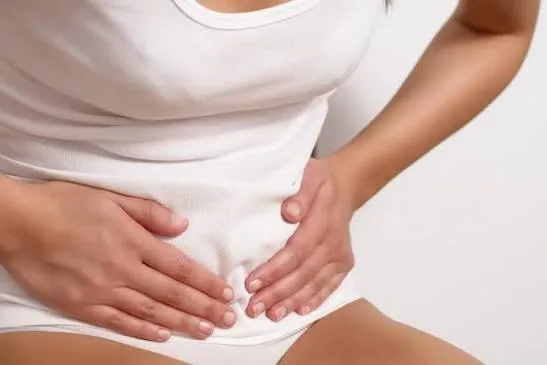
Pelvic pain is a common health concern among women that can affect daily activities and overall quality of life. It refers to discomfort or pain in the lower part of the abdomen, below the belly button and between the hips. Some women experience mild pain that disappears on its own, while others may suffer from persistent or severe discomfort. Pelvic pain can have several causes, including menstrual problems, infections, reproductive health conditions, and digestive disorders. Understanding these causes can help women recognize symptoms and seek appropriate medical care.
1. Menstrual Cramps
Menstrual cramps are one of the most common causes of pelvic pain in women. They usually occur before or during menstruation when the uterus contracts to shed its lining. These contractions can cause pain in the lower abdomen, back, and pelvic area. Mild cramps are common, but severe or worsening menstrual pain should be evaluated by a healthcare professional.
2. Endometriosis
Endometriosis is a condition in which tissue similar to the lining of the uterus grows outside the uterus. It can cause chronic pelvic pain, painful periods, discomfort during intercourse, and sometimes fertility problems. The pain may become worse during menstruation and can interfere with everyday activities.
3. Ovarian Cysts
Ovarian cysts are fluid-filled sacs that develop on or inside the ovaries. Many cysts are harmless and disappear without treatment. However, larger cysts may cause pelvic pressure, bloating, or pain. Sudden severe pelvic pain can indicate an ovarian cyst rupture or ovarian torsion, which requires immediate medical attention.
4. Pelvic Inflammatory Disease (PID)
Pelvic inflammatory disease is an infection of the female reproductive organs. It commonly develops when bacteria spread from the vagina or cervix to the uterus, fallopian tubes, or ovaries. Symptoms may include lower abdominal pain, unusual vaginal discharge, fever, painful intercourse, and irregular bleeding. Early treatment is important to prevent complications.
5. Uterine Fibroids
Uterine fibroids are noncancerous growths that develop in or around the uterus. Some women experience no symptoms, while others may have pelvic pressure, heavy menstrual bleeding, frequent urination, and lower abdominal discomfort. Treatment depends on the size, location, and symptoms associated with the fibroids.
6. Urinary Tract Infections (UTIs)
A urinary tract infection occurs when bacteria enter the urinary system. It can cause discomfort or pressure in the lower abdomen and pelvic region. Other symptoms include burning during urination, frequent urination, and cloudy urine. Medical treatment may be necessary to prevent the infection from spreading.
7. Pregnancy-Related Problems
Pelvic discomfort can sometimes occur during pregnancy because of changes in the uterus and surrounding tissues. However, severe pain, particularly when accompanied by vaginal bleeding, dizziness, or shoulder pain, may indicate an ectopic pregnancy or another serious complication. Immediate medical evaluation is essential.
When Should You See a Doctor?
Women should consult a healthcare professional if pelvic pain is persistent, recurring, or affecting daily activities. Immediate medical attention is necessary for sudden severe pain, heavy vaginal bleeding, fainting, fever, or severe pain during a possible pregnancy.
Conclusion
Pelvic pain in women can develop due to several conditions, including menstrual cramps, endometriosis, ovarian cysts, pelvic inflammatory disease, uterine fibroids, and urinary tract infections. Identifying the underlying cause is important for receiving appropriate treatment. Women should avoid ignoring persistent or severe pelvic pain and seek professional medical advice to protect their reproductive and overall health.
Editorial Team
This article was researched and written by the Vencoing Com Editorial Team. We focus on accurate, practical explanations of technology topics and link to official sources so you can verify key points yourself.
Meet the teamYou May Also Like