Introduction
Pregnancy is an important stage in a woman’s life, and recognizing its early signs can help women take better care of their health. Some women notice pregnancy symptoms within the first few weeks after conception, while others may experience very few changes. Early pregnancy symptoms can vary from person to person depending on hormonal changes and individual health conditions. Understanding these signs can help women identify a possible pregnancy and seek appropriate medical care.
1. Missed Period
A missed menstrual period is one of the most common early signs of pregnancy. When pregnancy occurs, the body produces hormones that prevent the normal menstrual cycle from continuing. However, missed periods can also result from stress, hormonal imbalances, or other health conditions. Women with regular menstrual cycles may find this sign particularly noticeable.
2. Nausea and Morning Sickness
Nausea is another common early pregnancy symptom. It is often called morning sickness, but it can happen at any time of the day or night. Some women experience mild nausea, while others may have frequent vomiting. These symptoms are commonly associated with hormonal changes during early pregnancy.
3. Breast Tenderness and Changes
During early pregnancy, hormonal changes can make the breasts feel swollen, sensitive, or tender. Some women may also notice darker nipples or changes in the appearance of the area around them. These changes occur as the body prepares for breastfeeding.
4. Frequent Urination
Frequent urination can begin during the early weeks of pregnancy. Pregnancy increases blood flow to the kidneys, causing them to produce more urine. As a result, women may need to visit the bathroom more often than usual, including during the night.
5. Unusual Tiredness and Fatigue
Feeling unusually tired is another possible early sign of pregnancy. Increased progesterone levels and changes in the body’s metabolism can contribute to fatigue. Some women may feel exhausted even after getting enough sleep. Getting adequate rest and maintaining a balanced diet can help manage this symptom.
6. Light Spotting and Mild Cramping
Some women experience light spotting and mild abdominal cramps during early pregnancy. This may occur around the time a fertilized egg attaches to the uterine lining. This is sometimes called implantation bleeding. However, not all women experience it, and bleeding during pregnancy should be discussed with a healthcare professional if it is unusual or concerning.
7. Changes in Food Preferences
Early pregnancy can affect taste and smell. Some women develop cravings for particular foods, while others suddenly dislike foods they previously enjoyed. Strong smells may also trigger nausea or discomfort.
8. Mood Swings
Hormonal fluctuations can affect emotions during early pregnancy. Women may experience mood swings, increased sensitivity, irritability, or unexpected emotional changes. These symptoms are generally associated with changing hormone levels.
How Can You Confirm Pregnancy?
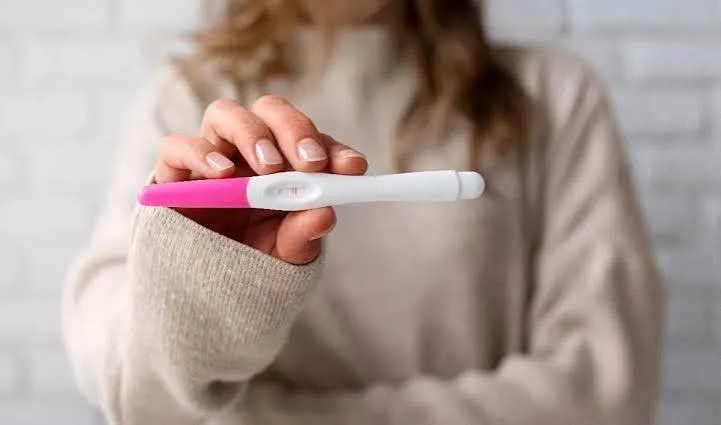
Although early symptoms may suggest pregnancy, they cannot confirm it. A home pregnancy test can detect the hormone human chorionic gonadotropin (hCG) in urine. For more reliable results, it is generally recommended to take the test from the first day of a missed period. A healthcare professional may also recommend a blood test or ultrasound when appropriate.
Conclusion
Recognizing the early signs of pregnancy can help women make informed decisions about their health. Common symptoms include missed periods, nausea, breast tenderness, fatigue, frequent urination, and mood changes. However, these symptoms can also occur due to other conditions. Taking a pregnancy test and consulting a healthcare professional are the best ways to confirm pregnancy and receive proper guidance.
Editorial Team
This article was researched and written by the Vencoing Com Editorial Team. We focus on accurate, practical explanations of technology topics and link to official sources so you can verify key points yourself.
Meet the teamYou May Also Like