How Does Iron Deficiency Affect Women’s Health?

Iron deficiency is one of the most common nutritional problems affecting women worldwide. Iron is an essential mineral that helps the body produce hemoglobin, a protein in red blood cells responsible for carrying oxygen throughout the body. When the body does not have enough iron, it may struggle to produce healthy red blood cells, leading to iron-deficiency anemia.
Women are particularly at risk of iron deficiency because of menstruation, pregnancy, breastfeeding, and certain dietary habits. Understanding its causes, symptoms, and effects can help women protect their health and maintain their energy levels.
1. Causes of Iron Deficiency in Women
There are several reasons why women may develop iron deficiency. Heavy menstrual bleeding is one of the most common causes because the body loses iron during menstruation.
Pregnancy also increases iron requirements because the body needs additional iron to support the growing baby and increased blood supply. Other causes include inadequate iron intake, poor iron absorption, digestive conditions, and certain types of blood loss.
2. Common Symptoms of Iron Deficiency
Iron deficiency can develop gradually, and some women may not notice symptoms during the early stages. However, as iron levels decrease, several signs may appear.
Common symptoms include:
- Constant tiredness and weakness.
- Pale skin.
- Dizziness or lightheadedness.
- Frequent headaches.
- Shortness of breath.
- Cold hands and feet.
- Brittle nails.
- Hair loss.
- Difficulty concentrating.
These symptoms can also occur with other health conditions, so medical evaluation is important for an accurate diagnosis.
3. Effects on Energy and Daily Activities
Iron deficiency reduces the body’s ability to deliver enough oxygen to its tissues when it progresses to anemia. As a result, women may experience persistent fatigue, reduced physical strength, and difficulty completing everyday activities.
Even simple tasks such as walking, climbing stairs, or working for long periods may become exhausting. Low energy levels can also affect productivity and overall quality of life.
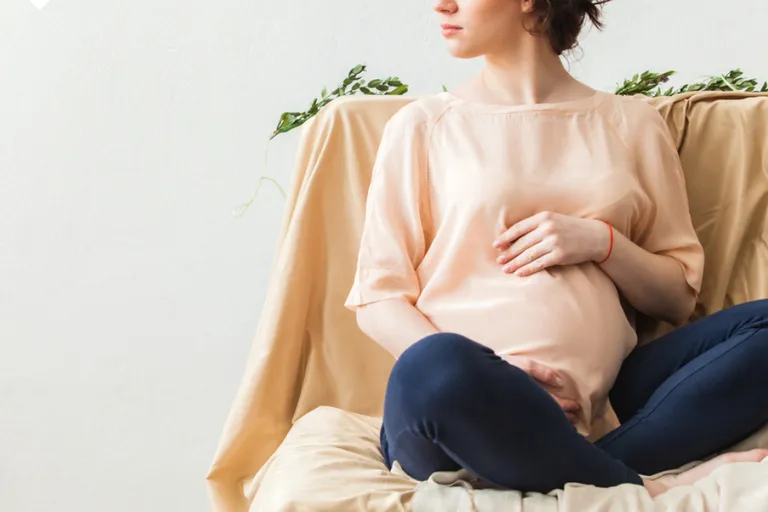
4. Impact on Pregnancy
Iron is especially important during pregnancy because it supports the mother’s increased blood supply and the baby’s development.
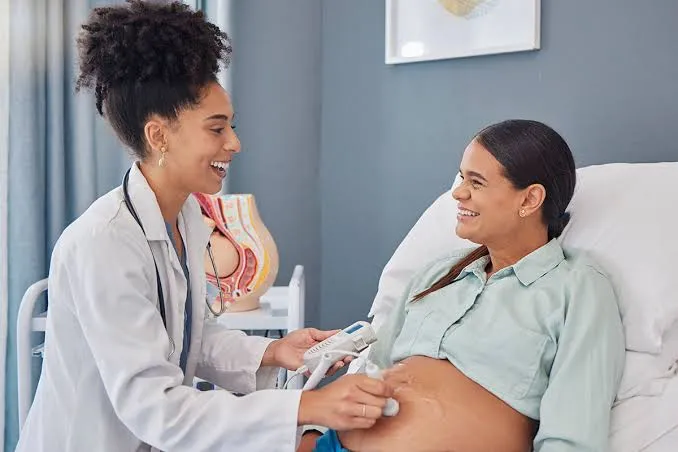
Severe iron-deficiency anemia during pregnancy can increase the risk of premature birth, low birth weight, and maternal complications. Pregnant women should attend regular prenatal appointments and follow their healthcare provider’s advice about iron intake and supplementation.
5. Effects on Hair, Skin, and Nails
Iron deficiency may also affect a woman’s physical appearance. Some women experience increased hair shedding, pale skin, and weak or brittle nails.
These changes happen because iron plays an important role in normal cellular functions and healthy tissue development. Treating the underlying deficiency may help improve these symptoms over time.
6. How to Prevent Iron Deficiency
Eating a balanced diet is an important way to maintain healthy iron levels. Women can include iron-rich foods such as:
- Red meat, chicken, and fish.
- Spinach and other leafy green vegetables.
- Lentils, beans, and chickpeas.
- Fortified cereals and whole grains.
- Nuts and seeds.
Vitamin C-rich foods, such as oranges, lemons, tomatoes, and strawberries, can improve iron absorption from plant-based foods.
Women should also consult a healthcare professional before taking iron supplements because excessive iron intake can be harmful.
7. Diagnosis and Treatment
Doctors usually diagnose iron deficiency through blood tests, including a complete blood count (CBC) and ferritin testing to assess iron stores.
Treatment depends on the underlying cause and severity. It may include dietary improvements, prescribed iron supplements, or further medical investigation to identify blood loss or absorption problems.
Conclusion
Iron deficiency can significantly affect women’s health by causing fatigue, weakness, hair loss, and other physical problems. It can also create complications during pregnancy if left untreated. Eating iron-rich foods, improving iron absorption, and attending regular medical checkups can help prevent and manage this condition. Women experiencing persistent symptoms should consult a healthcare professional for proper testing and treatment.
Editorial Team
This article was researched and written by the Vencoing Com Editorial Team. We focus on accurate, practical explanations of technology topics and link to official sources so you can verify key points yourself.
Meet the teamYou May Also Like