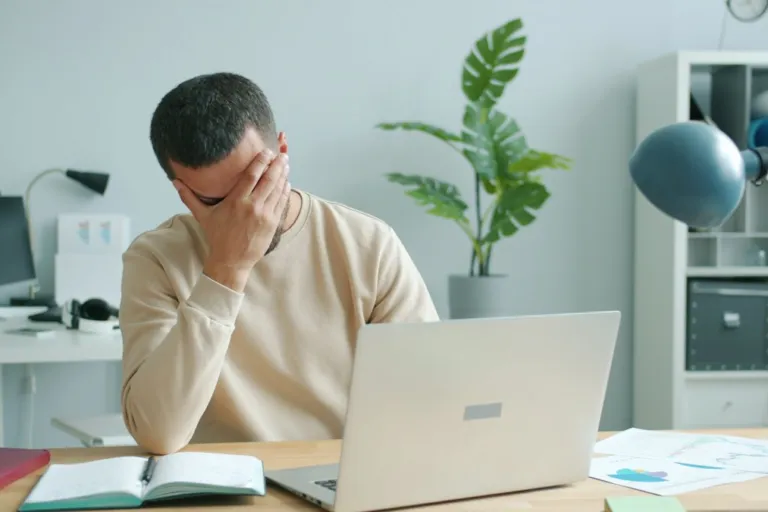
Simple Breathing Exercises to Calm Your Mind
Your breath is always with you. These simple, beginner-friendly breathing exercises can help you slow down, ease tension and find a calmer state of mind.

When your mind is racing, it can feel impossible to slow down. Yet one of the simplest tools for finding calm is something you carry everywhere: your breath. Breathing exercises are free, quiet and can be done almost anywhere, whether you are at your desk, on a train or lying in bed. This guide walks you through a few easy techniques and offers tips for making them part of your everyday life.
Why Your Breath Matters
Breathing usually happens automatically, but it is also something you can guide on purpose. When you feel anxious or rushed, your breathing often becomes quick and shallow, sitting high in the chest. Choosing to breathe more slowly and deeply can send a gentle signal to your body that it is safe to relax.
Many people find that a few minutes of focused breathing helps them feel more grounded, think more clearly and respond to situations rather than react to them. It is not a cure for every difficulty, but it can be a helpful first step in a stressful moment.
Getting Ready to Practice
You do not need special equipment or a perfect setting. A few simple preparations can make your practice more comfortable.
- Sit or lie in a position that feels supported, with your shoulders relaxed.
- Loosen anything tight around your waist or chest if you can.
- Close your eyes or let your gaze rest softly on one spot.
- Breathe through your nose if that feels comfortable.
- Remind yourself there is no right or wrong way to feel during the exercise.
If at any point you feel dizzy or uncomfortable, stop and return to your normal breathing.
Belly Breathing
Belly breathing, sometimes called diaphragmatic breathing, encourages fuller breaths that reach deeper into the lungs.
- Place one hand on your chest and the other on your belly.
- Breathe in slowly through your nose, letting your belly rise under your hand while your chest stays fairly still.
- Breathe out gently through your mouth or nose, feeling your belly fall.
- Repeat for a few minutes, keeping the pace slow and easy.
This is a good place to start if you are new to breathing exercises, because the hand on your belly gives you clear feedback.
Box Breathing
Box breathing uses an even rhythm, which many people find steadying when their thoughts feel scattered.
- Breathe in slowly for a count of four.
- Hold your breath gently for a count of four.
- Breathe out slowly for a count of four.
- Hold again for a count of four before the next breath.
Picture tracing the four sides of a square as you go. If holding your breath feels uncomfortable, shorten the counts or skip the holds entirely.
Longer Exhale Breathing
Making your out-breath a little longer than your in-breath can feel especially soothing, particularly before sleep.
- Inhale through your nose for a count of four.
- Exhale slowly for a count of six, as if gently fogging a window.
- Continue for several rounds, letting your body soften with each out-breath.
You can adjust the numbers to suit you. What matters most is that the exhale feels slow, unhurried and comfortable.
Making Breathing a Habit
Breathing exercises tend to work best when you practice them regularly, not only when you are already feeling overwhelmed. Familiarity makes them easier to use in difficult moments.
Link It to Daily Moments
Try pairing a short breathing exercise with something you already do, such as waiting for the kettle to boil, sitting down at your desk, or getting into bed.
Start Small
Even one minute counts. As it becomes more natural, you can gradually extend your practice to five or ten minutes.
Be Patient With Yourself
Your mind will wander, and that is completely normal. Each time you notice it drifting, simply bring your attention back to your breath without judgment.
Key Takeaways
- Your breath is a simple, always-available tool for finding calm.
- Slow, deep breathing can help your body shift toward relaxation.
- Belly breathing, box breathing and longer exhales are easy places to start.
- Adjust counts so every exercise feels comfortable, and stop if you feel dizzy.
- Regular, short practice makes breathing easier to use when stress hits.
- Breathing exercises can complement, but not replace, professional support when it is needed.
This article is for general information only and is not medical advice. If you are struggling, please reach out to a doctor or a licensed mental health professional. If you are in crisis or thinking about harming yourself, contact your local emergency number or a crisis helpline right away.
Editorial Team
This article was researched and written by the Vencoing Com Editorial Team. We focus on accurate, practical explanations of technology topics and link to official sources so you can verify key points yourself.
Meet the teamYou May Also Like