Stretching and Flexibility: Why They Matter Every Day
Flexibility helps you move with ease in daily life. Discover the benefits of regular stretching, the main types, and a short routine you can do daily.

Flexibility is often the forgotten part of fitness. People tend to focus on cardio or strength and skip stretching altogether. Yet the ability to move your joints comfortably through their full range of motion affects nearly everything you do, from reaching a high shelf to tying your shoes. A few minutes of stretching each day can help you feel looser, more comfortable, and more at ease in your body.
What Flexibility Really Means
Flexibility is the ability of your muscles and connective tissues to lengthen and allow your joints to move freely. It varies from person to person and even from one side of the body to the other. Age, activity level, and daily habits all play a part. Long hours of sitting, for example, can leave the hips and the backs of the legs feeling tight.
The encouraging news is that flexibility tends to respond well to regular practice. You do not need to aim for dramatic splits or deep backbends. The goal is comfortable, functional movement for everyday life.
Everyday Benefits of Stretching
Regular stretching is widely recommended as part of a balanced fitness routine. Many people notice benefits such as:
- Easier movement during daily tasks like bending, reaching, and turning.
- Less feeling of stiffness after sitting or sleeping.
- Better awareness of posture and body position.
- A calming effect, especially when stretching is paired with slow breathing.
- Greater comfort during other types of exercise.
The Main Types of Stretching
Static Stretching
Static stretching means moving into a stretch and holding it still, usually for about 15 to 30 seconds. It is best done when your muscles are already warm, such as after a walk or at the end of a workout.
Dynamic Stretching
Dynamic stretching uses controlled, flowing movements that take your joints through their range of motion, such as arm circles or leg swings. It is often used to prepare the body for activity.
Gentle Mobility Work
Mobility exercises combine movement and stretching, such as slowly rolling the shoulders or rotating the hips. These are useful throughout the day, especially during breaks from sitting.
A Short Daily Stretching Routine
This simple routine takes around ten minutes. Hold each static stretch for 15 to 30 seconds and repeat on both sides where relevant.
- Neck release: Gently tilt your ear toward your shoulder until you feel a mild stretch along the side of your neck.
- Chest opener: Clasp your hands behind your back or hold a doorframe and gently open your chest.
- Standing quadriceps stretch: Holding a wall for balance, bend one knee and bring your heel toward your buttock.
- Seated hamstring stretch: Sit with one leg extended and gently hinge forward from the hips, keeping your back long.
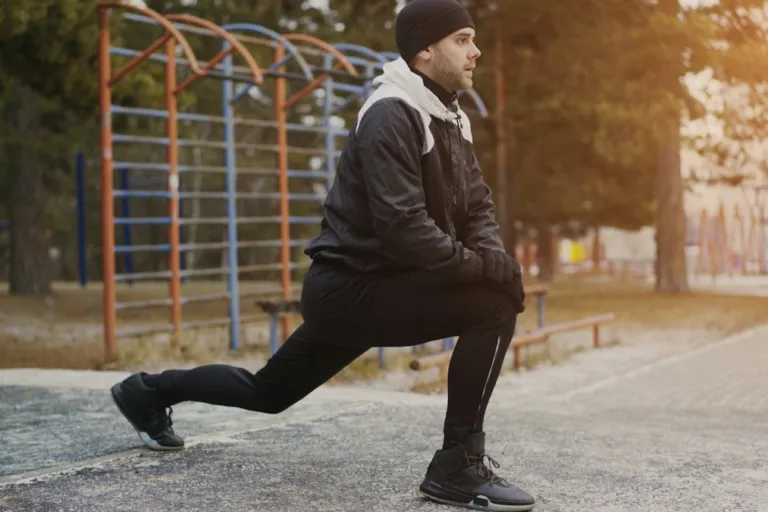
- Hip flexor stretch: In a half-kneeling position, gently shift your hips forward until you feel a stretch at the front of the hip.
- Calf stretch: Step one foot back, keep the heel down, and lean gently toward a wall.
- Child’s pose: Kneel, sit back toward your heels, and reach your arms forward on the floor while breathing slowly.
Stretching Safely
Stretching should feel like gentle tension, never pain. A few simple guidelines help keep it safe and comfortable:
- Warm up first with light movement before deeper static stretches.
- Avoid bouncing, which can strain muscles.
- Breathe slowly and steadily rather than holding your breath.
- Ease off if you feel sharp pain, tingling, or numbness.
- Be consistent; short daily sessions are more useful than occasional long ones.
Key Takeaways
- Flexibility supports comfortable, everyday movement at any age.
- Regular stretching can reduce feelings of stiffness and support posture.
- Use dynamic stretches before activity and static stretches afterward.
- A ten-minute daily routine can cover the major muscle groups.
- Stretch to mild tension only, without bouncing or forcing.
This article is for general information only and is not medical advice. Check with a doctor before starting a new exercise program, especially if you have a health condition.
Editorial Team
This article was researched and written by the Vencoing Com Editorial Team. We focus on accurate, practical explanations of technology topics and link to official sources so you can verify key points yourself.
Meet the teamYou May Also Like