Power Naps: How to Nap Without Feeling Groggy
A short, well-timed nap can boost alertness and mood. Learn how long to nap, when to do it, and how to wake up feeling refreshed instead of groggy.
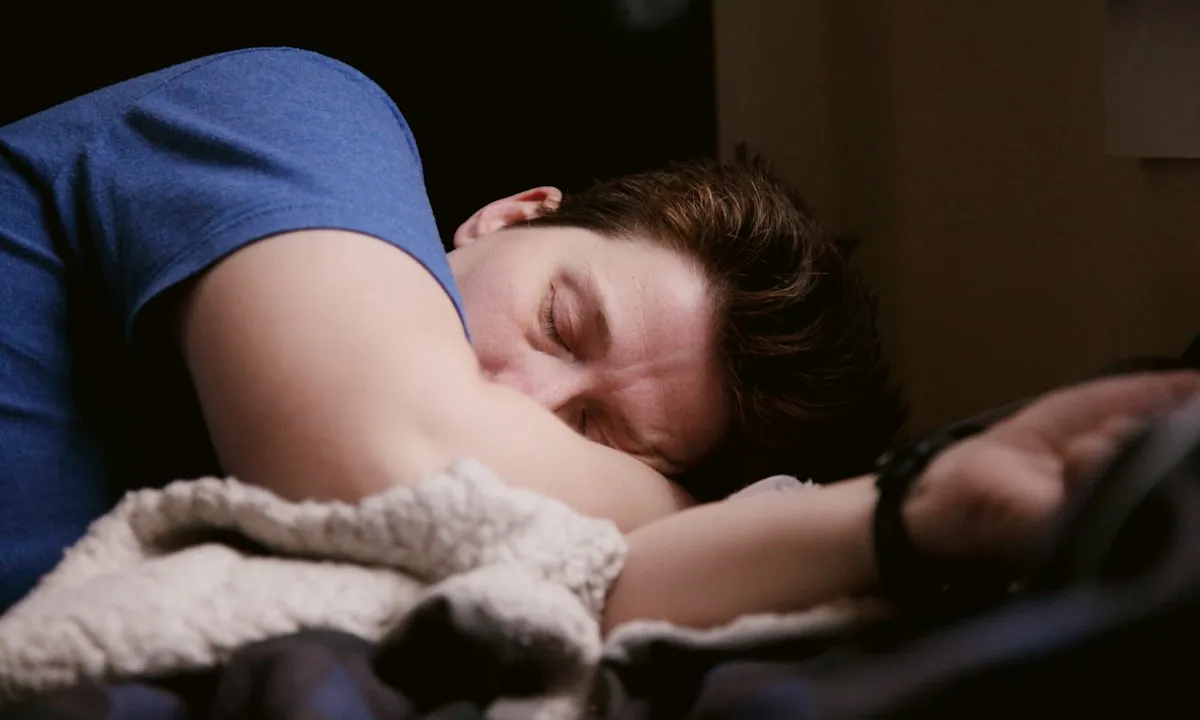
A nap can feel like a small luxury in a busy day. Done well, it can leave you more alert, focused, and in a better mood. Done poorly, it can leave you foggy, irritable, and struggling to sleep at night. The difference usually comes down to a few simple factors: how long you nap, when you nap, and how you wake up. This guide explains how to make a power nap work for you.
What Is a Power Nap?
A power nap is a short daytime sleep, typically around 10 to 20 minutes. The idea is to rest long enough to feel refreshed but not so long that you sink into deep sleep. When you wake from deep sleep, you are more likely to feel heavy and disoriented, a state often called sleep inertia. Keeping naps short helps you avoid that groggy feeling.
Naps are not a replacement for a good night’s sleep, but they can be a helpful boost on days when you feel your energy dip.
Get the Length Right
Nap length has a big effect on how you feel afterwards. While everyone is a little different, these general guidelines are widely shared:
- 10 to 20 minutes: The classic power nap. Most people wake feeling lighter and more alert.
- Around 30 to 60 minutes: More likely to leave you groggy, because you may wake from deeper sleep.
- Around 90 minutes: Some people take longer naps that cover a fuller sleep cycle, but these are more likely to affect night-time sleep.
For a quick, everyday energy lift, staying on the short side is usually the safest choice.
Choose the Right Time
Timing matters as much as length. Many people naturally feel a dip in energy in the early afternoon, which makes it a convenient window for a nap.
- Aim for early to mid-afternoon if your schedule allows.
- Avoid napping late in the day, as it can make it harder to fall asleep at bedtime.
- If you work shifts or have an unusual schedule, nap at a point that leaves several hours before your main sleep.
Set Up for a Good Nap
A short nap goes better when you can fall asleep quickly. A few small preparations help:
- Find a quiet, comfortable spot where you are unlikely to be disturbed.
- Reduce light with an eye mask, closed curtains, or by facing away from windows.
- Use earplugs or soft background sound if your surroundings are noisy.
- Set an alarm so you can relax without worrying about oversleeping.
Do not worry if you do not fully fall asleep. Simply resting quietly with your eyes closed can still feel restorative.
Wake Up Well
How you get up after a nap can shape the rest of your afternoon. Instead of jumping straight back into a demanding task, give yourself a few minutes to transition.
- Get up as soon as your alarm goes off, rather than snoozing.
- Expose yourself to bright light, ideally daylight, right after waking.
- Splash your face with cool water or take a short walk.
- Have a glass of water to help you feel more awake.
Even after a short nap, it is normal to need a few minutes before you feel completely sharp.
When Napping May Not Help
Naps are not right for everyone. If you have trouble falling asleep or staying asleep at night, daytime naps can sometimes make the problem worse by reducing your sleep drive at bedtime. In that case, it may be better to skip naps for a while and focus on night-time habits.
It is also worth paying attention if you feel the need to nap every day despite getting what seems like enough sleep. Ongoing, unexplained tiredness is something to discuss with a doctor.
Key Takeaways
- A power nap is a short rest, usually about 10 to 20 minutes.
- Longer naps are more likely to cause grogginess and affect night-time sleep.
- Early to mid-afternoon is a good time for most people to nap.
- A quiet, dim space and an alarm help you nap efficiently.
- Bright light, movement, and water help you wake up feeling fresh.
- If you struggle with night-time sleep, limiting naps may help.
Used wisely, a power nap can be a simple tool for getting through the afternoon with more energy. Keep it short, keep it early, and give yourself a gentle wake-up.
This article is for general information only and is not medical advice. If you have ongoing sleep problems, talk to a doctor.
Editorial Team
This article was researched and written by the Vencoing Com Editorial Team. We focus on accurate, practical explanations of technology topics and link to official sources so you can verify key points yourself.
Meet the teamYou May Also Like