Cutting Back on Added Sugar: Simple Swaps That Work
Practical, realistic swaps to reduce added sugar in drinks, breakfasts, snacks and desserts without giving up flavor or feeling deprived along the way.

Added sugar shows up in far more foods than most people realize. Beyond the obvious sources like sweets and soft drinks, it is often found in breakfast cereals, flavored yogurts, sauces, bread and many packaged foods. Health organizations broadly recommend keeping added sugar low, but cutting back does not have to mean giving up everything sweet. A series of small, realistic swaps can make a meaningful difference.
Added Sugar Versus Natural Sugar
It helps to understand what you are aiming to reduce. Added sugars are sugars and syrups put into foods during processing or preparation, or added at the table. This includes table sugar, honey, syrups and fruit juice concentrates used as sweeteners.
Natural sugars, by contrast, are found within whole foods like fruit and plain milk. These come packaged with fiber, water, vitamins or protein, which change how your body handles them. The focus of most guidance is on reducing added sugar, not on avoiding whole fruit.
Start With What You Drink
Sweetened drinks are among the largest sources of added sugar for many people, and they are also one of the easiest places to make changes. Liquid sugar does not fill you up the way food does, so it is easy to consume a lot without noticing.
- Swap soft drinks for sparkling water with a slice of citrus or a few berries.
- Choose plain tea or coffee and reduce added sugar gradually, a little at a time.
- Replace fruit juice with whole fruit and a glass of water.
- Make flavored water at home with cucumber, mint or ginger.
- Be mindful of specialty coffee drinks, energy drinks and sweetened iced teas.
Rethink Breakfast
Breakfast foods can be surprisingly sweet. Many cereals, granolas, pastries and flavored yogurts contain significant added sugar. Try these swaps:
- Plain yogurt instead of flavored: add fresh or frozen fruit and a sprinkle of cinnamon for natural sweetness.
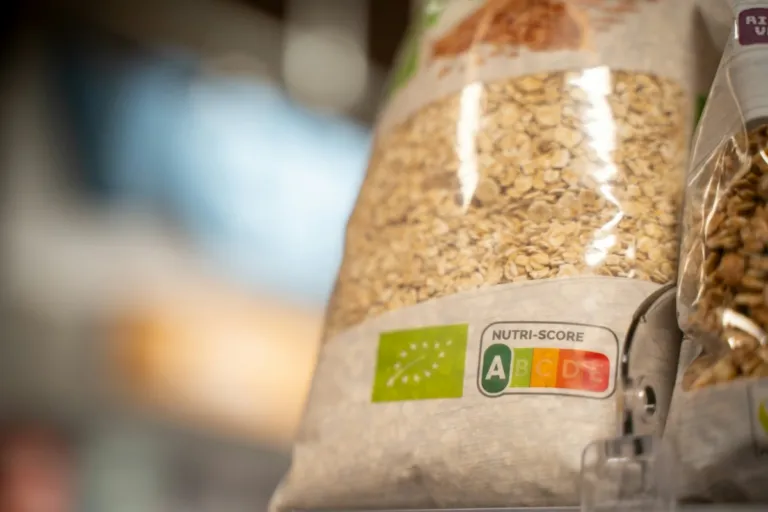
- Oats instead of sugary cereal: top them with sliced banana, berries or grated apple.
- Whole grain toast instead of pastries: try toppings like nut butter, eggs or avocado.
- Compare cereals: if you prefer boxed cereal, check labels and choose one lower in sugar and higher in fiber.
Watch for Hidden Sugar in Savory Foods
Sugar is not only in sweet foods. Ketchup, barbecue sauce, salad dressings, pasta sauces, marinades and some breads can all contain added sugar. Reading ingredient lists helps you spot it; look for words such as syrup, cane sugar, dextrose, sucrose and fructose.
Making simple versions at home gives you more control. A basic dressing of olive oil, vinegar or lemon juice, mustard and herbs takes just a minute. Cooking tomato sauce from canned tomatoes, garlic and herbs is another easy win.
Smarter Snacks and Desserts
You do not need to give up dessert entirely. Instead, look for ways to enjoy sweetness with less added sugar:
- Enjoy fresh fruit, baked apples or pears with cinnamon as an everyday dessert.
- Choose a small portion of dark chocolate rather than a large candy bar.
- Freeze grapes or banana slices for a cool, sweet treat.
- When baking at home, try reducing the sugar in a recipe gradually and adding spices like vanilla, nutmeg or cardamom for flavor.
- Keep sweets out of sight and reserve them for occasional enjoyment.
Retrain Your Taste Buds Gradually
Many people find that their preference for sweetness changes over time. When you reduce sugar step by step, foods that once tasted normal may start to seem overly sweet. Sudden, strict changes are harder to stick with, so aim for steady progress rather than perfection. Cutting the sugar in your coffee by half, then a little more, is often more sustainable than quitting all at once.
It also helps to eat regular, balanced meals. Going a long time without eating can increase cravings for quick, sugary foods.
Key Takeaways
- Focus on reducing added sugar, not the natural sugar found in whole fruit and plain dairy.
- Sweetened drinks are a major source, so start by swapping them for water or unsweetened options.
- Choose plain versions of yogurt and oats and sweeten them with fruit.
- Check labels on sauces, dressings and bread for hidden sugars.
- Make gradual changes so your taste for sweetness can adjust over time.
This article is for general information only and is not medical advice. Talk to a doctor or registered dietitian before making major changes to your diet.
Editorial Team
This article was researched and written by the Vencoing Com Editorial Team. We focus on accurate, practical explanations of technology topics and link to official sources so you can verify key points yourself.
Meet the teamYou May Also Like