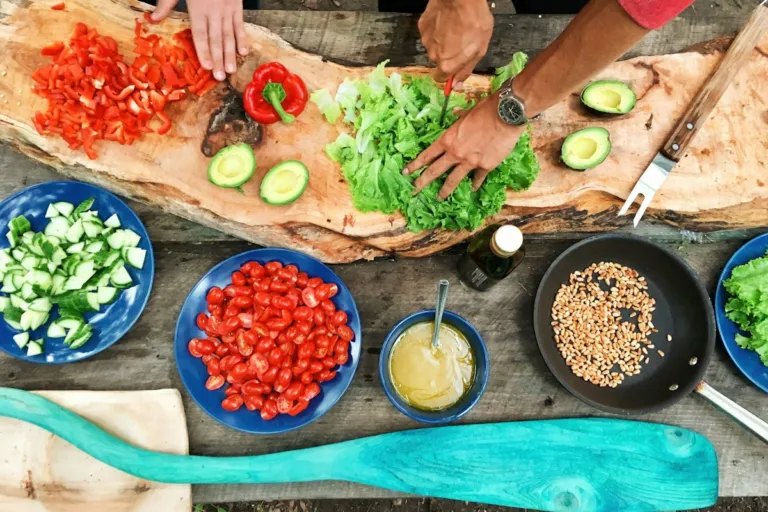
Small Daily Changes for a Healthier Lifestyle
Big health goals can feel overwhelming. These small, realistic daily changes in eating, movement, rest and mindset can add up to a healthier lifestyle over time.

When people decide to get healthier, they often try to change everything at once: a strict new diet, an intense workout plan and a complete overhaul of their routine. That burst of motivation rarely lasts. A gentler approach tends to work better. Small, consistent changes are easier to start, easier to keep and, over months and years, they can add up to a genuinely healthier way of living.
Why Small Changes Work
Small steps feel manageable, so you are more likely to actually do them. Each success builds confidence and makes the next change easier. Tiny habits also fit into real life, including busy weeks, travel and unexpected events. Instead of relying on willpower, you gradually build a routine that feels normal.
A helpful way to think about it is progress rather than perfection. You do not need to get everything right. You simply need to keep moving in a healthier direction.
Simple Swaps at Mealtimes
You do not need a complicated eating plan to improve your diet. Start with a few easy swaps and additions:
- Add one extra serving of vegetables or fruit to your day.
- Choose whole grains, such as brown rice or whole-grain bread, more often.
- Drink water instead of a sugary drink at one meal.
- Keep nuts, fruit or plain yogurt nearby for snacks.
- Eat slowly and pay attention to when you feel comfortably full.
Focusing on what you can add, rather than only what to cut out, can make healthy eating feel more positive.
Move a Little More Each Day
Being active does not have to mean long gym sessions. Everyday movement counts, and small increases can make a difference over time. Try a few of these:
- Take the stairs instead of the elevator when you can.
- Stand up and stretch every hour during long periods of sitting.
- Park a little farther away or get off public transport one stop early.
- Take a short walk after meals.
- Do a few simple exercises while waiting for the kettle or watching television.
If you are new to exercise or have a health condition, start gently and check with a doctor about what is right for you.
Give Rest the Attention It Deserves
Sleep and rest are just as important as food and movement. Small adjustments can improve the quality of your rest. Try going to bed fifteen minutes earlier, keeping a consistent wake-up time, and limiting caffeine later in the day. Creating a short, relaxing routine before bed, such as reading or gentle stretching, can help signal to your body that it is time to wind down.
Rest also includes short breaks during the day. Stepping away from your desk, taking a few deep breaths or simply looking out of a window can help you reset.
Care for Your Mind
Mental wellbeing is a key part of a healthy lifestyle. Small daily practices can help you manage stress and feel more balanced:
- Spend a few minutes noticing things you are grateful for.
- Reach out to a friend or family member for a short chat.
- Limit time spent scrolling through news or social media.
- Make time for a hobby or activity you enjoy.
- Practice slow, steady breathing when you feel tense.
If stress, low mood or anxiety feel overwhelming, reaching out to a healthcare professional is an important step.
How to Make Changes Stick
Choose one or two changes to begin with, rather than many at once. Link each new habit to something you already do every day, such as having a glass of water after brushing your teeth. Keep track of your progress in a simple way, like ticking off days on a calendar. When you slip, be kind to yourself and start again the next day. Once a habit feels automatic, add another.
Key Takeaways
- Small, consistent changes are easier to maintain than dramatic overhauls.
- Simple food swaps and additions can improve your diet without strict rules.
- Everyday movement, like taking stairs and short walks, adds up.
- Better sleep and regular breaks support overall wellbeing.
- Start with one or two habits, link them to routines and build gradually.
This article is for general information only and is not medical advice. Speak with a doctor about your personal health needs.
Editorial Team
This article was researched and written by the Vencoing Com Editorial Team. We focus on accurate, practical explanations of technology topics and link to official sources so you can verify key points yourself.
Meet the teamYou May Also Like