Balanced Plate Basics: How to Build a Healthy Meal
Learn a simple way to build balanced meals using vegetables, protein, whole grains and healthy fats so every plate supports steady energy and good health.
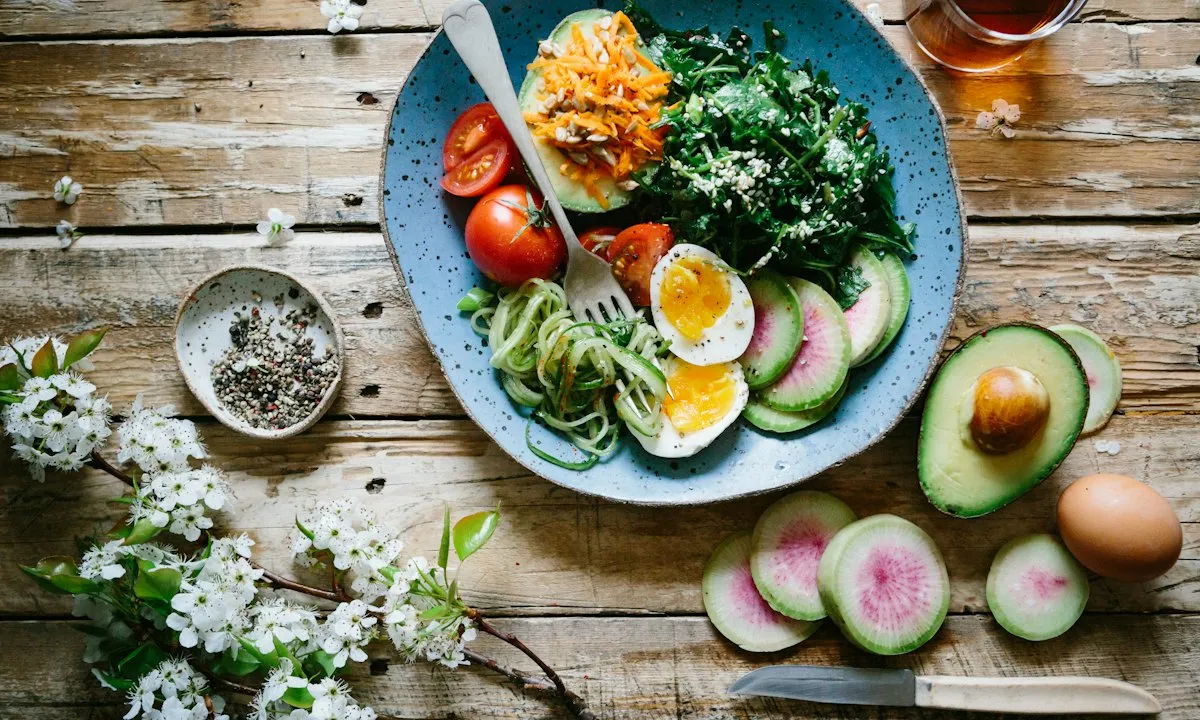
Eating well does not have to mean counting every calorie or following a complicated plan. One of the easiest tools for everyday healthy eating is the balanced plate: a simple visual guide that helps you combine the right types of food in sensible proportions. Once you learn the basic pattern, you can apply it to breakfast, lunch, dinner, home cooking and even restaurant meals.
What Is a Balanced Plate?
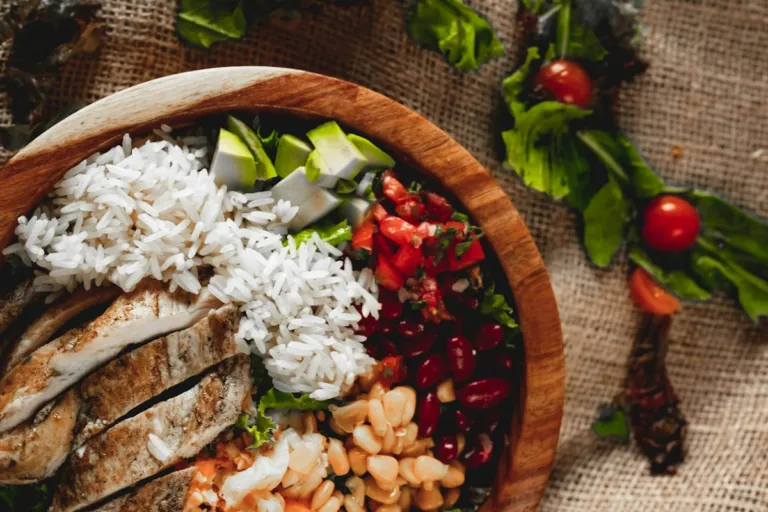
A balanced plate is a way of picturing your meal so that it includes several food groups at once. Instead of focusing on a single nutrient, it encourages variety. A common approach divides a standard dinner plate into sections:
- About half filled with vegetables and fruit, with an emphasis on vegetables.
- About a quarter filled with a protein food.
- About a quarter filled with whole grains or other starchy foods.
- A small amount of healthy fat used in cooking or as a topping.
These proportions are a guide rather than a strict rule. Appetite, activity level, age and personal health needs all influence what the right plate looks like for you.
Start With Vegetables
Vegetables are the foundation of the balanced plate because they provide fiber, vitamins, minerals and water while being relatively low in energy. Filling half your plate with them adds volume and color to a meal, which can help you feel satisfied.
Aim for variety across the week. Different colors tend to offer different nutrients, so rotating between leafy greens, orange and red vegetables, cruciferous vegetables like broccoli and cabbage, and others such as peppers, mushrooms and green beans is a practical habit. Fresh, frozen and canned vegetables can all count; with canned options, choosing lower-salt versions or rinsing them is a sensible step.
Choose a Quality Protein
Protein helps your body build and repair tissues and contributes to a feeling of fullness after eating. Good options include:
- Fish and seafood
- Poultry and lean cuts of meat
- Eggs
- Beans, lentils and chickpeas
- Tofu, tempeh and other soy foods
- Plain yogurt and other dairy foods
Plant-based proteins such as beans and lentils have the added benefit of providing fiber. Many people find it useful to include them a few times a week, either in place of meat or alongside it. When choosing animal proteins, cooking methods like baking, grilling, steaming or stewing are generally better choices than deep frying.
Add Whole Grains and Smart Starches
Carbohydrate foods are an important source of energy. On a balanced plate, the goal is to choose more whole grains and minimally processed starches, which keep more of their natural fiber and nutrients. Examples include brown rice, oats, whole wheat bread or pasta, barley, quinoa, and potatoes or sweet potatoes cooked with the skin on.
Keeping this section to roughly a quarter of the plate helps leave room for vegetables and protein. If you are very active, you may naturally need a larger portion; if you are less active, a smaller one may feel right.
Include Healthy Fats in Small Amounts
Fats help your body absorb certain vitamins and add flavor and satisfaction to meals. The type matters more than avoiding fat altogether. Helpful choices include olive oil and other plant oils, nuts and seeds, avocado and oily fish. Because fats are energy-dense, a little goes a long way: a drizzle of oil on vegetables or a sprinkle of seeds on a salad is often enough.
Putting It Into Practice
The balanced plate works with almost any cuisine. A few examples:
- Breakfast: oatmeal topped with berries and a spoonful of nuts, with a side of plain yogurt.
- Lunch: a large salad with mixed vegetables, chickpeas, a portion of whole grain and an olive oil dressing.
- Dinner: baked fish, roasted vegetables and a small serving of brown rice.
For mixed dishes such as stir-fries, soups or casseroles, think about the overall balance rather than separate sections. Ask yourself whether the dish contains plenty of vegetables, a source of protein and a sensible amount of starch. If something is missing, add a side salad, a piece of fruit or a handful of beans.
Drinks matter too. Water is the simplest choice to accompany meals. Sugary drinks can add a lot of energy without making you feel full.
Key Takeaways
- Fill about half your plate with vegetables and fruit, focusing on variety.
- Use about a quarter of the plate for protein, including plant proteins when you can.
- Choose whole grains and minimally processed starches for the remaining quarter.
- Add small amounts of healthy fats for flavor and nutrient absorption.
- Treat the plate as a flexible guide and adjust portions to your own needs.
This article is for general information only and is not medical advice. Talk to a doctor or registered dietitian before making major changes to your diet.
Editorial Team
This article was researched and written by the Vencoing Com Editorial Team. We focus on accurate, practical explanations of technology topics and link to official sources so you can verify key points yourself.
Meet the teamYou May Also Like