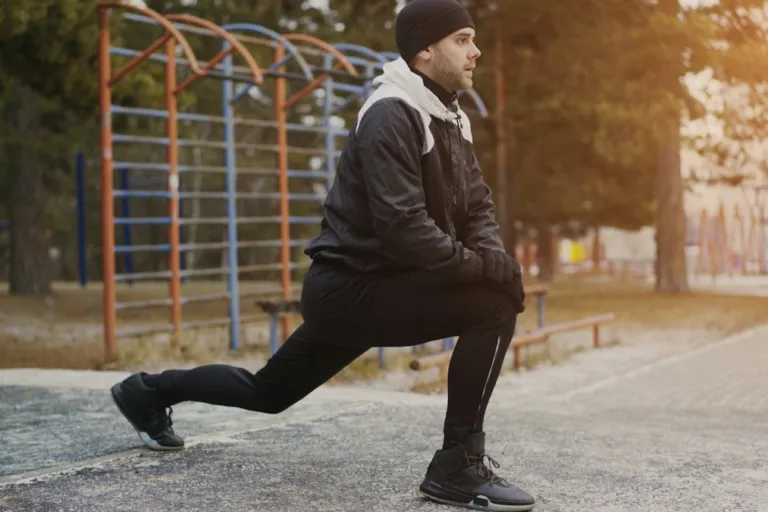
Strength Training for Beginners: A Safe First Routine
New to strength training? Learn the basic principles, a simple full-body routine, and practical safety tips to build strength at a comfortable pace.

Strength training is not only for athletes or bodybuilders. Building muscle strength helps with everyday tasks like carrying groceries, climbing stairs, and getting up from a chair. It can also support balance, posture, and joint stability as you age. If you have never lifted weights before, the idea can feel intimidating, but a safe first routine can be simple, short, and done at home with little or no equipment.
Understanding the Basics
Strength training means working your muscles against resistance. That resistance can come from your own body weight, resistance bands, dumbbells, or machines. A few terms are useful to know:
- Repetition (rep): One complete movement of an exercise, such as one squat.
- Set: A group of repetitions done in a row, such as ten squats.
- Rest: The pause between sets that lets your muscles recover.
- Progression: Gradually making an exercise more challenging over time.
General guidance suggests working all the major muscle groups at least two days per week, with a rest day between sessions that target the same muscles.
Safety First
Good technique matters far more than how much weight you use. Starting light lets you learn each movement properly and lowers the chance of strain or injury.
- Warm up for five to ten minutes before you begin, for example with marching in place or easy walking.
- Move slowly and with control, both on the way up and on the way down.
- Breathe steadily. Avoid holding your breath while you exert effort.
- Keep a neutral spine and avoid jerking or swinging movements.
- Stop if you feel sharp or joint pain. Muscle effort is normal; pain is not.
A Simple Full-Body First Routine
This beginner routine uses mostly body weight and covers the main muscle groups. Start with one set of eight to twelve repetitions for each exercise, resting about a minute between exercises.
- Chair squat: Stand in front of a sturdy chair, feet about hip-width apart. Push your hips back and lower until you lightly touch the seat, then stand back up.
- Wall push-up: Place your hands on a wall at shoulder height. Bend your elbows to bring your chest toward the wall, then push back.
- Glute bridge: Lie on your back with knees bent and feet flat. Press through your heels to lift your hips, pause, then lower slowly.
- Band or dumbbell row: With a light band or weight, pull your elbow back toward your side while keeping your back straight.
- Standing calf raise: Hold a wall or chair for balance and rise onto your toes, then lower with control.
- Modified plank: Rest on your forearms and knees, keeping a straight line from head to knees. Hold for 10 to 20 seconds.
How to Progress Over Time
Once an exercise feels comfortable for twelve controlled repetitions, you can make it a little harder. Change only one thing at a time.
- Add a second set, and later a third.
- Use a slightly heavier weight or a stronger band.
- Move to a harder version, such as a counter push-up instead of a wall push-up.
- Slow the lowering phase of each repetition to increase the challenge.
Progress gradually over weeks rather than days. Steady, patient improvement is safer and easier to maintain.
Recovery and Rest
Muscles get stronger during recovery, not just during the workout itself. Mild soreness a day or two after a new exercise is common and usually fades on its own. Give each muscle group at least one rest day between sessions, sleep well, stay hydrated, and eat regular balanced meals. Light activity like walking on rest days can help you feel less stiff.
Key Takeaways
- Strength training supports everyday function, balance, and posture.
- Aim to work major muscle groups at least two days per week.
- Focus on controlled movement and good form before adding weight.
- Start with one set of simple body-weight exercises and build up slowly.
- Rest days and sleep are essential parts of getting stronger.
- Stop any exercise that causes sharp or joint pain.
This article is for general information only and is not medical advice. Check with a doctor before starting a new exercise program, especially if you have a health condition.
Editorial Team
This article was researched and written by the Vencoing Com Editorial Team. We focus on accurate, practical explanations of technology topics and link to official sources so you can verify key points yourself.
Meet the teamYou May Also Like