Hydration Basics: How to Drink Enough Water Each Day
Learn simple, practical ways to stay hydrated each day, from recognizing thirst signals to building easy water habits that fit into a normal routine.

Water is involved in almost everything your body does, from regulating temperature to helping digestion and keeping joints comfortable. Yet many people go through busy days without drinking much at all, only noticing when they feel tired, headachy or unusually thirsty. The good news is that staying hydrated does not require complicated rules. With a few steady habits, most people can drink enough water without thinking about it constantly.
Why Hydration Matters
Your body loses water all day through breathing, sweating and normal bodily functions. That water needs to be replaced regularly. When you are well hydrated, you may find it easier to concentrate, stay energized and feel comfortable during physical activity. When you fall behind, you may notice fatigue, dry lips, dizziness or a dull headache.
Hydration also supports healthy digestion and helps the body move nutrients where they are needed. It is not a cure for anything on its own, but it is one of the simplest foundations of everyday wellbeing.
How Much Water Do You Need?
There is no single number that fits everyone. The amount of fluid a person needs depends on body size, activity level, climate, diet and overall health. Someone who works outdoors in hot weather will need more than someone sitting in a cool office. People who exercise, are ill with fever, or are pregnant or breastfeeding often need extra fluids too.
Instead of chasing a precise target, many people find it helpful to use practical signals:
- Thirst: Drink when you feel thirsty, and do not ignore it for long.
- Urine color: Pale yellow usually suggests good hydration, while dark yellow can be a sign to drink more.
- Activity and heat: Drink more before, during and after exercise or time in warm conditions.
If you have a heart, kidney or other medical condition, a doctor may give you specific fluid guidance, and that advice should come first.
Signs You May Need More Fluids
Mild dehydration can creep up quietly. Paying attention to your body helps you catch it early. Common signs include:
- Feeling thirsty or having a dry mouth
- Dark yellow urine or urinating less often than usual
- Tiredness or difficulty focusing
- Headache or light-headedness
- Dry skin or lips
Severe symptoms such as confusion, fainting or a very rapid heartbeat need prompt medical attention.
Easy Habits to Drink More Water
The most reliable way to stay hydrated is to make water convenient and routine. Try a few of these ideas and keep the ones that work for you:
- Start the day with a glass. Drinking water soon after waking is an easy anchor habit.
- Keep a bottle within reach. A refillable bottle on your desk, in your bag or in the car makes sipping automatic.
- Pair water with meals. Have a glass with breakfast, lunch and dinner.
- Use reminders. A simple phone alarm or a note can prompt you during long work sessions.
- Flavor it naturally. Slices of lemon, cucumber or a few berries can make plain water more appealing.
- Refill when you finish. Getting into the habit of refilling right away keeps water available.
Food and Other Drinks Count Too
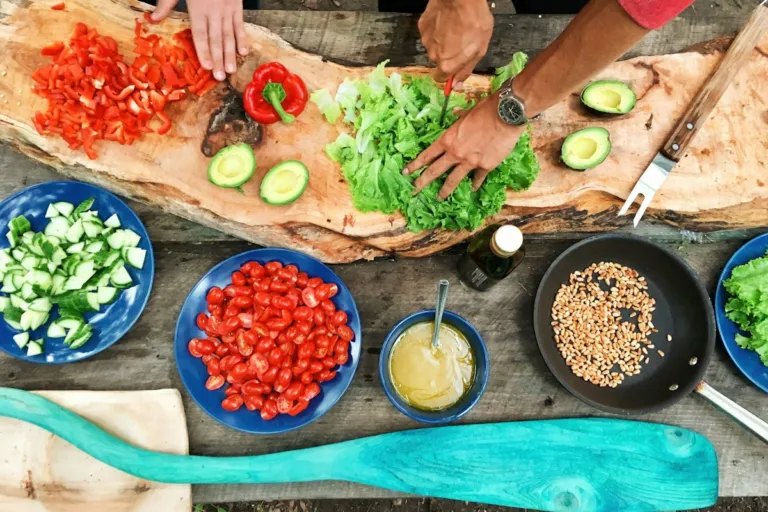
Not all of your fluid needs to come from plain water. Many fruits and vegetables, such as watermelon, oranges, cucumbers, lettuce and tomatoes, contain a lot of water. Soups, milk and herbal teas also contribute to your daily intake.
Some drinks are best kept in moderation. Sugary sodas and sweetened juices add extra sugar and calories, and alcohol can make it harder for the body to stay hydrated. Coffee and tea can be part of a normal routine for most adults, but water is still the simplest everyday choice.
Hydration in Special Situations
Certain times call for a little extra attention. During hot weather, travel, illness with vomiting or diarrhea, or long periods of exercise, the body can lose fluids faster than usual. In these situations, drink regularly rather than waiting for strong thirst. Older adults may feel less thirsty even when they need fluids, so gentle routines and reminders can be especially helpful. Young children also depend on adults to offer drinks throughout the day.
Key Takeaways
- Fluid needs vary from person to person based on activity, climate and health.
- Thirst and urine color are simple, practical hydration signals.
- Keeping water within reach is one of the easiest ways to drink more.
- Water-rich foods, soups and herbal teas also count toward daily fluids.
- Drink more during heat, exercise and illness, and follow any medical advice you have been given.
This article is for general information only and is not medical advice. Speak with a doctor about your personal health needs.
Editorial Team
This article was researched and written by the Vencoing Com Editorial Team. We focus on accurate, practical explanations of technology topics and link to official sources so you can verify key points yourself.
Meet the teamYou May Also Like