Type 2 Diabetes Basics: What Everyone Should Know
A clear introduction to type 2 diabetes, covering how it affects blood sugar, common early signs, everyday risk factors and practical habits that help.
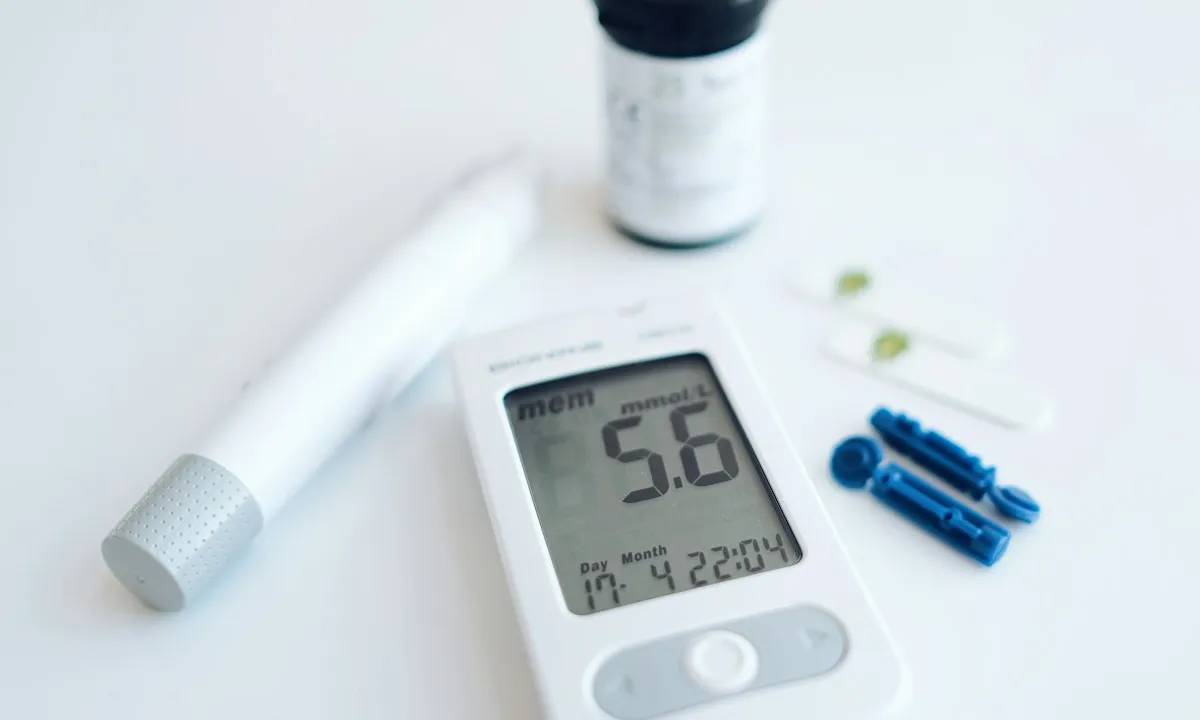
Type 2 diabetes is a long-term condition that affects how the body handles sugar, its main source of energy. It can develop slowly over many years, and some people live with it for a long time before they find out. Understanding the basics can help you recognise possible warning signs, lower your risk, and feel more confident talking to a doctor about your health.
How Type 2 Diabetes Works
When you eat, your body breaks down food into glucose, a type of sugar that travels in the blood. A hormone called insulin, made by the pancreas, helps move that glucose into your cells where it can be used for energy. In type 2 diabetes, the body either does not respond to insulin as well as it should, or it does not make enough of it. As a result, glucose builds up in the blood instead of reaching the cells. Over time, persistently high blood sugar can affect the eyes, nerves, kidneys, heart and blood vessels.
Type 2 diabetes is different from type 1 diabetes, which is an autoimmune condition where the body stops making insulin. Type 2 is far more common and is strongly linked to lifestyle and genetic factors.
Early Signs to Notice
Symptoms often appear gradually and can be easy to dismiss. Some people have no symptoms at all. Possible signs include:
- Feeling very thirsty
- Needing to urinate more often, especially at night
- Feeling unusually tired
- Blurred vision
- Cuts or sores that heal slowly
- Frequent infections, such as skin or urinary infections
- Tingling or numbness in the hands or feet
- Losing weight without trying
Having one of these signs does not mean you have diabetes, but it is a good reason to ask for a check. A simple blood test is the usual way to find out.
Who Is More Likely to Develop It
Anyone can develop type 2 diabetes, but certain factors make it more likely:
- Having a parent, brother or sister with diabetes
- Being older, although it is increasingly seen in younger people
- Carrying extra weight, especially around the waist
- Being physically inactive
- Having had diabetes during pregnancy
- Having high blood pressure or unhealthy cholesterol levels
- Belonging to certain ethnic backgrounds that carry a higher risk
Some people are told they have higher-than-normal blood sugar that is not yet in the diabetes range. This stage is an important opportunity, because lifestyle changes made at this point may delay or prevent diabetes.
Everyday Habits That Help
Whether you want to lower your risk or are already managing the condition, the same healthy foundations apply.
Eating well
- Fill much of your plate with vegetables and include whole grains, beans and lean proteins.
- Cut down on sugary drinks, sweets and refined white bread or pasta.
- Keep regular meal times and watch portion sizes.
Staying active
- Regular movement helps the body use insulin more effectively.
- Walking after meals is a simple, gentle habit to start with.
- Reducing long periods of sitting also helps.
Other helpful steps
- Aim for steady, gradual weight loss if your doctor advises it.
- Get enough sleep and find healthy ways to manage stress.
- Avoid smoking, which adds to heart and circulation problems.
Living With Type 2 Diabetes
People with type 2 diabetes can live full, active lives. Management usually combines healthy habits with regular check-ups, and some people also need medicine prescribed by their doctor. Routine care often includes checks of the eyes, feet, kidneys and blood pressure, because early detection of problems makes them easier to treat. Looking after your feet daily, keeping appointments, and asking questions about your care plan are all valuable parts of staying well.
When to See a Doctor
Book an appointment if you notice any of the early signs above or have several risk factors. Seek urgent medical care if you or someone with diabetes experiences:
- Extreme thirst with frequent urination and feeling very unwell
- Nausea, vomiting or stomach pain with rapid breathing
- Confusion, drowsiness or difficulty staying awake
- Shaking, sweating and confusion that does not improve quickly
- A foot wound that is red, swollen, warm or not healing
- Fainting or loss of consciousness
Key Takeaways
- Type 2 diabetes affects how the body uses insulin to manage blood sugar.
- It can develop quietly, so testing matters if you have symptoms or risk factors.
- Healthy eating, regular activity and good sleep lower risk and support management.
- Regular check-ups help catch complications early.
- Severe symptoms such as confusion or vomiting need urgent care.
This article is for general information only and is not medical advice, diagnosis or treatment. Always consult a qualified doctor about your symptoms. In an emergency, contact your local emergency number.
Editorial Team
This article was researched and written by the Vencoing Com Editorial Team. We focus on accurate, practical explanations of technology topics and link to official sources so you can verify key points yourself.
Meet the teamYou May Also Like