Migraines and Headaches: Common Triggers to Watch
Understand the difference between everyday headaches and migraines, the triggers that often set them off, and how tracking patterns can help you cope.
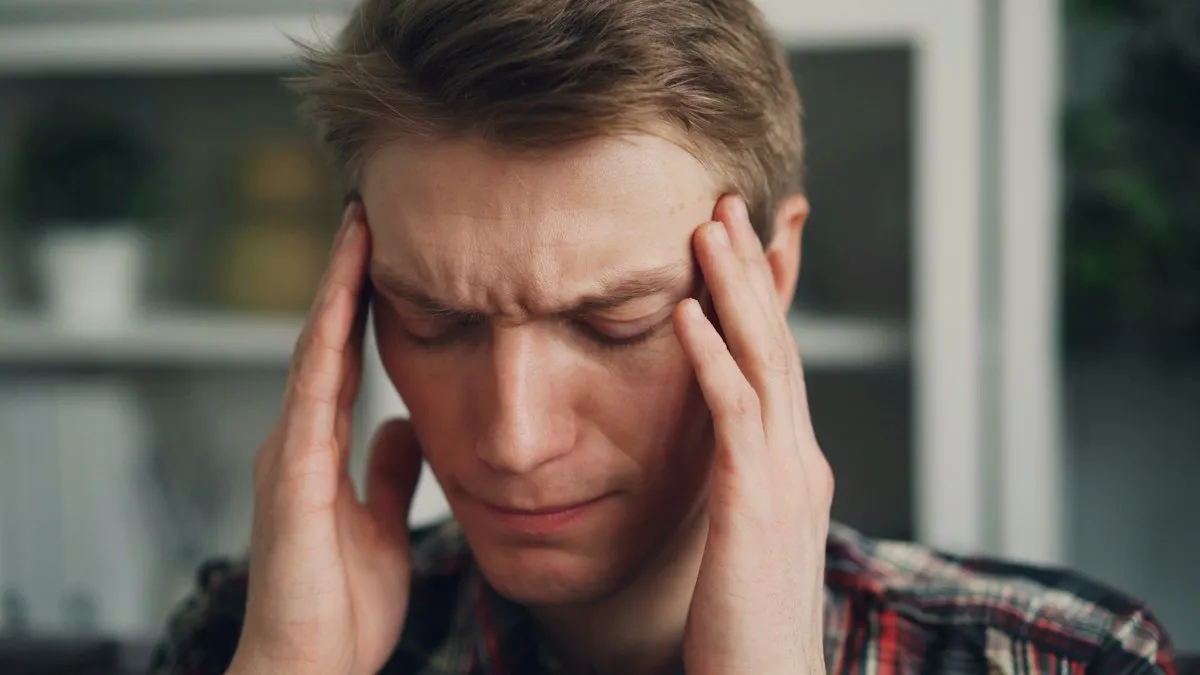
Almost everyone has a headache at some point, but for some people headaches are frequent and disruptive. Migraines in particular can cause intense pain and other symptoms that make it hard to carry on with the day. While the exact causes are not fully understood, many people notice that certain situations, foods or habits seem to set off their attacks. Learning to spot these triggers is a practical first step toward fewer and milder episodes.
Headache or Migraine?
Not all headaches are the same. Two of the most common types are tension-type headaches and migraines.
Tension-type headaches
These often feel like a dull, steady ache or a tight band around the head. The pain is usually mild to moderate and affects both sides. People can generally continue with normal activities, and the headache is not usually made worse by movement.
Migraines
A migraine is more than a bad headache. The pain is often throbbing, may be on one side of the head, and can be moderate to severe. It is frequently accompanied by:
- Sensitivity to light, sound or smells
- Nausea or vomiting
- Pain that worsens with physical activity
- Visual disturbances, such as flashing lights or zigzag lines, known as aura, in some people
Migraine attacks can last from a few hours to a few days, and some people feel drained for a while afterwards.
Common Triggers to Watch
Triggers vary widely from person to person, and a trigger may not cause an attack every time. Often, several factors combine. Frequently reported triggers include:
- Sleep changes. Too little sleep, too much sleep or an irregular schedule.
- Skipped meals. Going too long without eating.
- Dehydration. Not drinking enough fluids, especially in hot weather or after exercise.
- Stress. Both periods of high stress and the “let-down” period afterward.
- Caffeine. Having too much, or suddenly cutting back.
- Alcohol. Some people find certain drinks particularly troublesome.
- Hormonal changes. Some women notice attacks around their menstrual cycle.
- Sensory factors. Bright or flickering lights, loud noise or strong smells.
- Screen time and posture. Long periods at a screen with tense neck and shoulders.
- Weather changes. Shifts in temperature or air pressure.
Keeping a Headache Diary
Because triggers are so personal, a diary can be one of the most useful tools. For a few weeks or months, note down:
- The date, time and how long each headache lasted
- Where the pain was and what it felt like
- Any other symptoms, such as nausea or visual changes
- What you ate and drank, and when
- How you slept the night before
- Your stress levels and activities
- Any treatment you used and whether it helped
Over time, patterns may appear. A diary is also very helpful to share with your doctor.
Everyday Habits That May Help
A steady routine is often protective. Try to go to bed and wake up at similar times, eat regular meals, and drink water throughout the day. Regular physical activity and relaxation practices such as gentle stretching or breathing exercises may reduce how often headaches occur. Taking breaks from screens and checking your posture can ease neck tension. During an attack, many people find it helps to rest in a quiet, dark room. If you use pain relief, follow the packaging or your pharmacist’s advice, as using it too often can sometimes lead to more frequent headaches.
When to See a Doctor
Make an appointment if your headaches are becoming more frequent or severe, are affecting your daily life, or if pain relief is no longer helping. Seek emergency care if you experience:
- A sudden, extremely severe headache that reaches full intensity within moments
- Headache with fever, stiff neck, rash or confusion
- Weakness, numbness, drooping of the face or difficulty speaking
- Loss of vision, double vision or fainting
- A headache after a head injury
- A new headache pattern, especially if you are older or have a weakened immune system
Key Takeaways
- Migraines differ from tension headaches and often include nausea or light sensitivity.
- Common triggers include sleep changes, skipped meals, stress and dehydration.
- A headache diary can reveal your personal triggers.
- Regular routines for sleep, meals and fluids may reduce attacks.
- A sudden severe headache or neurological symptoms need emergency care.
This article is for general information only and is not medical advice, diagnosis or treatment. Always consult a qualified doctor about your symptoms. In an emergency, contact your local emergency number.
Editorial Team
This article was researched and written by the Vencoing Com Editorial Team. We focus on accurate, practical explanations of technology topics and link to official sources so you can verify key points yourself.
Meet the teamYou May Also Like