Understanding High Blood Pressure: Signs and Lifestyle Tips
Learn what high blood pressure is, why it often goes unnoticed, and which everyday lifestyle habits can help support healthier blood pressure over time.
High blood pressure, also called hypertension, is one of the most common long-term health conditions in adults. It is often described as a “silent” condition because many people feel completely well while their blood pressure stays higher than it should be. Over time, that extra pressure can strain the heart, blood vessels, kidneys and other organs. The good news is that it can usually be detected with a simple check, and daily habits play a meaningful role in managing it.
What Blood Pressure Actually Measures
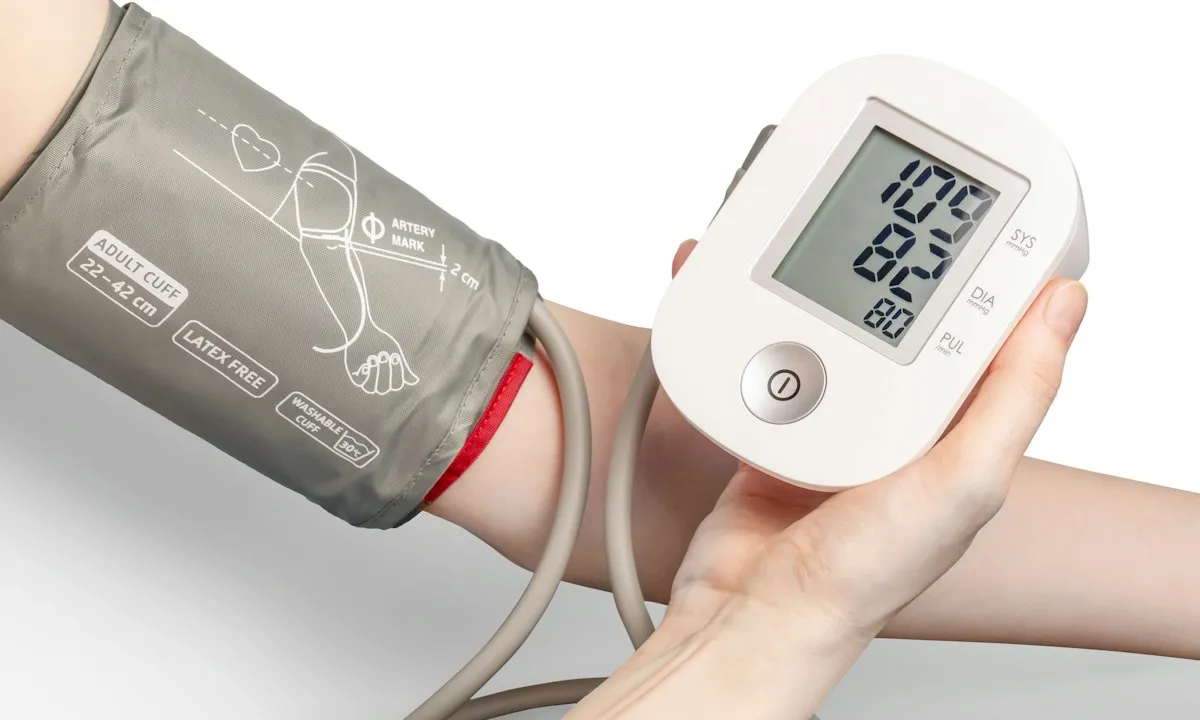
Every time your heart beats, it pushes blood through your arteries. Blood pressure is the force of that blood against the artery walls. A reading has two numbers: the top number reflects the pressure when the heart beats, and the bottom number reflects the pressure when the heart rests between beats. Both numbers matter, and a single high reading does not automatically mean you have hypertension. Doctors usually look at several readings taken over time before drawing conclusions.
Why It Often Goes Unnoticed
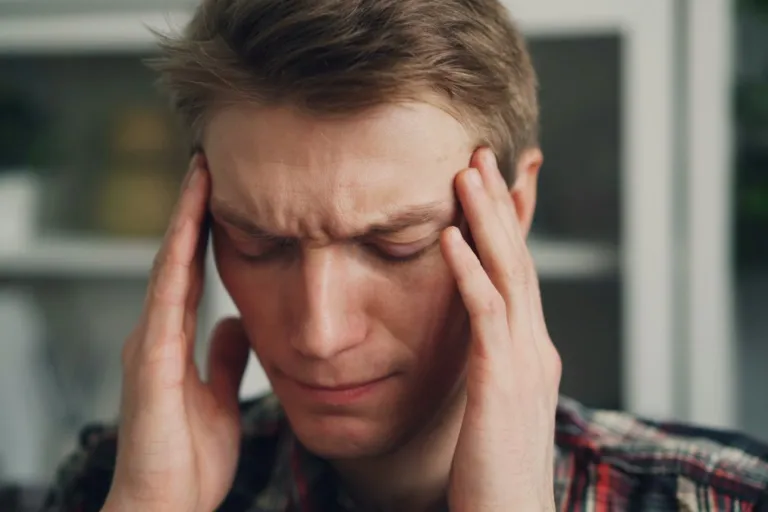
Most people with raised blood pressure have no obvious symptoms. This is why regular checks are so important, even if you feel healthy. Some people only discover it during a routine appointment or a pharmacy screening. When symptoms do appear, they tend to be vague and can overlap with many other conditions. People sometimes report:
- Headaches, particularly in the morning
- Dizziness or a feeling of light-headedness
- Blurred vision
- Nosebleeds
- Shortness of breath during ordinary activity
These signs are not reliable on their own, so the only way to know your blood pressure is to have it measured.
Common Risk Factors
High blood pressure usually develops gradually and is linked to a mix of factors. Some cannot be changed, while others are related to lifestyle.
Factors you cannot change
- Getting older
- A family history of high blood pressure
- Certain long-term conditions, such as kidney disease
Factors you can influence
- A diet high in salt and highly processed foods
- Low levels of physical activity
- Carrying excess body weight
- Drinking alcohol heavily
- Smoking
- Ongoing stress and poor sleep
Lifestyle Tips That Can Help
Small, steady changes often work better than dramatic ones. Your doctor can help you decide which steps suit you best, but these general habits are widely recommended:
- Cut back on salt. Much of the salt we eat is hidden in bread, ready meals, sauces and snacks. Cooking more meals at home and checking food labels can make a real difference.
- Eat plenty of plants. Vegetables, fruit, whole grains, beans and nuts provide fibre and minerals that support heart health.
- Move more each day. Brisk walking, cycling, swimming or dancing all count. Aim for regular activity you enjoy enough to keep doing.
- Limit alcohol. Drinking less, or not at all, can help keep blood pressure in a healthier range.
- Stop smoking. Quitting benefits your blood vessels and overall heart health, and support services can make it easier.
- Look after your sleep and stress. Consistent sleep, relaxation techniques and time outdoors can all help your body recover.
Checking Your Blood Pressure
Regular measurement helps you and your doctor spot changes early. Checks can be done at a clinic, at some pharmacies, or at home with a validated monitor. If you measure at home, sit quietly for a few minutes first, keep your arm supported at heart level, and avoid caffeine or exercise just beforehand. Writing down your readings, along with the date and time, gives your doctor a clearer picture than a single measurement. If you have been prescribed treatment, take it exactly as advised and do not stop without speaking to your doctor.
When to See a Doctor
Arrange a routine check if you have never had your blood pressure measured, or if it has been a long time since your last reading. Seek urgent medical help if you notice any of the following, especially if you know your blood pressure is high:
- A sudden, severe headache unlike any you have had before
- Chest pain or pressure
- Severe shortness of breath
- Sudden weakness or numbness in the face, arm or leg
- Difficulty speaking, confusion or sudden changes in vision
- Fainting or severe dizziness
Key Takeaways
- High blood pressure often causes no symptoms, so regular checks matter.
- Age and family history raise risk, but many risk factors can be changed.
- Less salt, more movement, less alcohol and no smoking all support healthier blood pressure.
- Home monitoring and a simple log can help your doctor understand your readings.
- Sudden severe symptoms such as chest pain or weakness need emergency care.
This article is for general information only and is not medical advice, diagnosis or treatment. Always consult a qualified doctor about your symptoms. In an emergency, contact your local emergency number.
Editorial Team
This article was researched and written by the Vencoing Com Editorial Team. We focus on accurate, practical explanations of technology topics and link to official sources so you can verify key points yourself.
Meet the teamYou May Also Like