10 Early Warning Signs of Heart Disease You Should Never Ignore
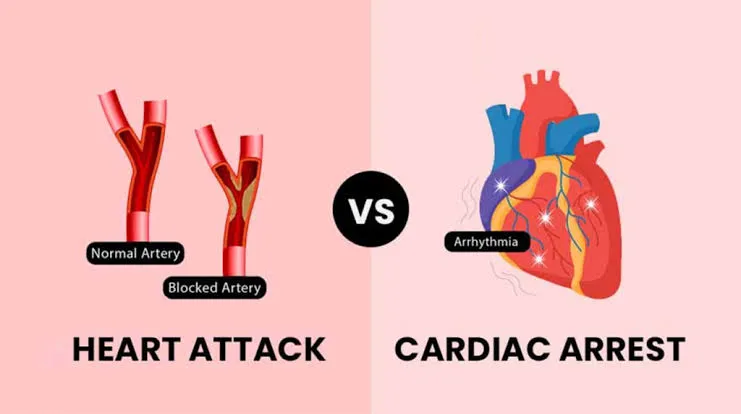
Heart disease is one of the leading causes of death worldwide. It can affect people of all ages, and in many cases, early symptoms are overlooked. Recognizing the warning signs of heart disease can help you seek medical attention before the condition becomes serious. Understanding these symptoms is an important step toward protecting your cardiovascular health.
Here are 10 early warning signs of heart disease that you should never ignore.
1. Chest Pain or Discomfort
Chest pain is one of the most common warning signs of heart problems. It may feel like pressure, tightness, squeezing, or heaviness in the chest. Sometimes, the discomfort comes and goes, especially during physical activity.
2. Shortness of Breath
Feeling breathless during normal activities or while resting may indicate a heart problem. When the heart cannot pump blood efficiently, fluid can build up in the lungs, making breathing difficult.
3. Unusual Fatigue
Feeling extremely tired without a clear reason can sometimes be associated with heart disease. If everyday activities suddenly become exhausting, it is worth discussing this symptom with a healthcare professional.
4. Irregular Heartbeat
An irregular heartbeat, also known as arrhythmia, occurs when the heart beats too quickly, too slowly, or unevenly. You may notice fluttering, pounding, or skipped beats in your chest.
5. Swelling in the Legs and Feet
Swelling in the ankles, legs, or feet can be a sign of fluid retention. This may happen when the heart struggles to pump blood effectively, a possible symptom of heart failure.
6. Dizziness or Lightheadedness
Frequent dizziness or feeling faint may occur when the brain does not receive enough blood. Certain heart rhythm problems and other cardiovascular conditions can contribute to these symptoms.
7. Pain in the Arms, Neck, Jaw, or Back
Heart-related discomfort does not always occur in the chest. Pain or pressure may spread to the shoulders, arms, neck, jaw, or back. These symptoms can sometimes indicate a heart attack.
8. Persistent Cough or Wheezing
A persistent cough, particularly one that produces white or pink-tinged mucus, may sometimes be associated with fluid buildup in the lungs caused by heart failure.
9. Cold Sweating
Sudden cold sweating without physical activity or a warm environment can be a warning sign of a heart attack, especially when accompanied by chest discomfort, nausea, or breathlessness.
10. Nausea and Indigestion
Some people experience nausea, vomiting, or indigestion-like discomfort during a heart attack. These symptoms may be more subtle and are sometimes mistaken for ordinary digestive problems.
How to Protect Your Heart Health
Maintaining a healthy lifestyle can reduce your risk of heart disease. Eat a balanced diet, exercise regularly, avoid smoking, manage stress, maintain a healthy weight, and monitor your blood pressure and cholesterol levels. Regular medical checkups can also help identify potential problems early.
Conclusion
Recognizing the early warning signs of heart disease can make a significant difference in protecting your health. Never ignore unusual chest pain, breathing difficulties, unexplained fatigue, or other concerning symptoms.
Important: If you experience possible heart attack symptoms, seek emergency medical help immediately, even if the symptoms are mild or come and go. Early treatment can save lives.
Editorial Team
This article was researched and written by the Vencoing Com Editorial Team. We focus on accurate, practical explanations of technology topics and link to official sources so you can verify key points yourself.
Meet the teamYou May Also Like