What Is an ECG Test and Why Do Doctors Recommend It?

Heart health is an important part of overall well-being. Doctors use different medical tests to check how well the heart is functioning and identify potential problems. One of the most common and useful heart tests is an electrocardiogram (ECG), also known as an EKG.
An ECG test is a simple, painless, and non-invasive procedure that records the electrical activity of the heart. It helps doctors identify abnormal heart rhythms and other possible heart-related conditions. But what exactly is an ECG test, and why do doctors recommend it? Let’s explore.
What Is an ECG Test?
An electrocardiogram (ECG) is a medical test that measures and records the electrical signals produced by your heart. These signals control your heartbeat and help the heart pump blood throughout the body.
During the test, small sticky electrodes are placed on your chest, arms, and legs. These electrodes are connected to an ECG machine, which records your heart’s electrical activity and displays it as a graph.
An ECG usually takes around 5 to 10 minutes, although the actual recording often takes only a few seconds. The procedure is painless and does not involve electric shocks.
Why Do Doctors Recommend an ECG Test?
Doctors may recommend an ECG for several reasons. Here are some of the most common ones.
1. To Detect Irregular Heartbeat
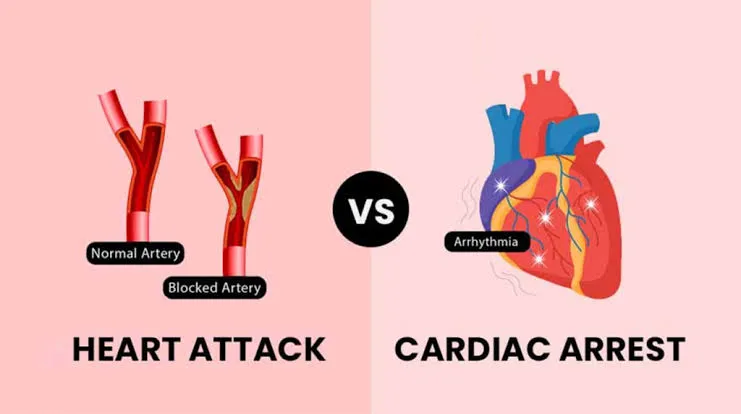
An ECG helps identify abnormal heart rhythms, also known as arrhythmias. These may include a heartbeat that is too fast, too slow, or irregular.
2. To Identify Signs of a Heart Attack
An ECG can help doctors detect signs of a current or previous heart attack. It may show changes in the heart’s electrical activity caused by reduced blood supply or damage to the heart muscle.
3. To Investigate Chest Pain
People experiencing chest discomfort or pressure may need an ECG to help doctors investigate whether the symptoms are related to a heart problem.
4. To Evaluate Heart Health
Doctors sometimes recommend an ECG when patients experience dizziness, fainting, shortness of breath, or unexplained fatigue.
5. To Monitor Existing Heart Conditions
Patients with diagnosed heart conditions may need regular ECG tests to monitor their heart rhythm and evaluate changes over time.
What Happens During an ECG Test?
An ECG is a straightforward procedure. Here is what usually happens:
- You will be asked to lie comfortably on an examination bed.
- Small electrodes will be attached to your chest, arms, and legs.
- The ECG machine will record your heart’s electrical signals.
- You will need to remain still during the recording.
- The electrodes will be removed after the test.
The results are then reviewed by a qualified healthcare professional.
Does an ECG Test Have Any Risks?
An ECG is generally very safe and painless. It does not use radiation or send electricity into your body. Some people may experience slight skin irritation when the adhesive electrodes are removed.
When Should You Get an ECG Test?
Your doctor may recommend an ECG if you experience chest pain, palpitations, dizziness, fainting, or unexplained breathing difficulties. It may also be used to monitor certain heart conditions or evaluate your heart before specific medical procedures.
However, an ECG cannot detect every heart problem. Some conditions may require additional investigations, such as an echocardiogram, stress test, or blood tests.
Conclusion
An ECG test is a valuable tool for checking the electrical activity of the heart and identifying potential cardiovascular problems. It is quick, painless, and widely used in modern healthcare.
If you experience unusual heart-related symptoms, consult a qualified healthcare professional. Early evaluation and appropriate testing can help identify problems and support better heart health.
Medical Disclaimer: This article is intended for educational purposes only and should not replace professional medical advice, diagnosis, or treatment.
Editorial Team
This article was researched and written by the Vencoing Com Editorial Team. We focus on accurate, practical explanations of technology topics and link to official sources so you can verify key points yourself.
Meet the teamYou May Also Like

10 Early Warning Signs of Heart Disease You Should Never Ignore