How Diabetes Increases the Risk of Cardiovascular Disease?

Diabetes is a chronic health condition that affects how the body manages blood sugar (glucose). While many people understand that diabetes can damage the kidneys, eyes, and nerves, fewer realize how seriously it can affect heart health. People living with diabetes have a higher risk of developing cardiovascular diseases, including heart attacks, strokes, and heart failure.
Understanding the connection between diabetes and cardiovascular disease can help people take preventive steps and protect their long-term health.
What Is Cardiovascular Disease?
Cardiovascular disease (CVD) refers to a group of conditions affecting the heart and blood vessels. These include coronary artery disease, heart attacks, strokes, and heart failure.
Diabetes increases the risk of these conditions, particularly when blood sugar levels remain high for long periods.
How Does Diabetes Affect Heart Health?
There are several ways diabetes can increase the risk of cardiovascular disease.
1. High Blood Sugar Damages Blood Vessels
Consistently high blood glucose levels can damage the inner lining of blood vessels. Over time, this damage contributes to inflammation and the buildup of fatty deposits in arteries, making them narrower and less flexible.
2. Increased Risk of High Blood Pressure
People with diabetes are more likely to experience high blood pressure. When blood pressure remains elevated, the heart must work harder to pump blood throughout the body. This increases the risk of heart disease and stroke.
3. Unhealthy Cholesterol Levels
Diabetes is often associated with abnormal cholesterol levels, including high triglycerides, low levels of HDL (good cholesterol), and potentially harmful LDL cholesterol particles. These changes can contribute to plaque buildup in arteries.
4. Increased Risk of Atherosclerosis
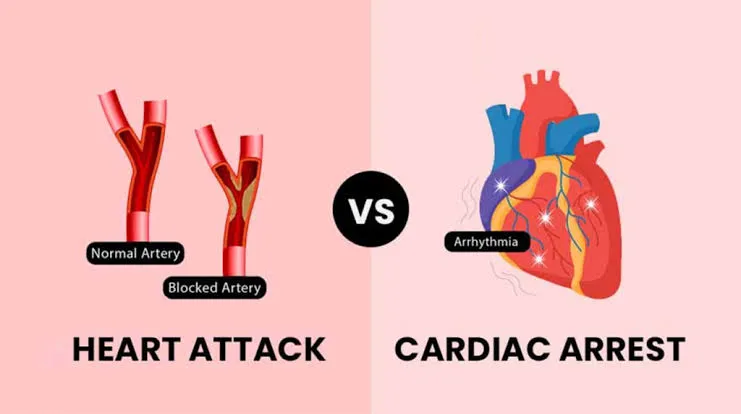
Atherosclerosis occurs when fatty deposits, cholesterol, and other substances accumulate inside the arteries. Diabetes can accelerate this process, increasing the chances of blocked blood flow and serious cardiovascular complications.
5. Increased Risk of Heart Attack and Stroke
Because diabetes can damage blood vessels and accelerate artery narrowing, people with the condition have a greater risk of heart attacks and strokes.
Warning Signs of Cardiovascular Problems
People with diabetes should pay attention to possible symptoms of heart disease, including:
- Chest pain or pressure
- Shortness of breath
- Unusual tiredness
- Dizziness or lightheadedness
- Swelling in the legs or feet
- Pain in the arms, neck, jaw, or back
Some people with diabetes may experience a heart attack with mild or less typical symptoms. Therefore, regular medical checkups are especially important.
How Can People With Diabetes Protect Their Heart Health?
Managing diabetes effectively can help reduce cardiovascular risks. Here are some important lifestyle and healthcare recommendations:
- Control Blood Sugar: Monitor glucose levels and follow your healthcare professional’s treatment plan.
- Eat a Balanced Diet: Choose vegetables, fruits, whole grains, legumes, and healthy fats.
- Exercise Regularly: Aim for at least 150 minutes of moderate physical activity per week, if medically appropriate.
- Monitor Blood Pressure: Keep blood pressure within your recommended target range.
- Manage Cholesterol: Have cholesterol levels checked regularly and follow medical advice.
- Avoid Smoking: Smoking increases the risk of heart and blood vessel damage.
- Maintain a Healthy Weight: A healthy weight can improve blood sugar control and cardiovascular health.
Conclusion
Diabetes can significantly increase the risk of cardiovascular disease by damaging blood vessels, contributing to high blood pressure, and increasing the likelihood of unhealthy cholesterol levels. However, proper diabetes management, healthy lifestyle choices, and regular medical checkups can help lower these risks.
Taking care of your blood sugar is not just about managing diabetes; it is also an important step toward protecting your heart and living a healthier life.
Editorial Team
This article was researched and written by the Vencoing Com Editorial Team. We focus on accurate, practical explanations of technology topics and link to official sources so you can verify key points yourself.
Meet the teamYou May Also Like

10 Early Warning Signs of Heart Disease You Should Never Ignore