Fiber 101: Why Your Gut Needs It and Where to Find It
Discover what dietary fiber does for your digestion and overall health, the difference between fiber types, and easy ways to add more to your daily meals.
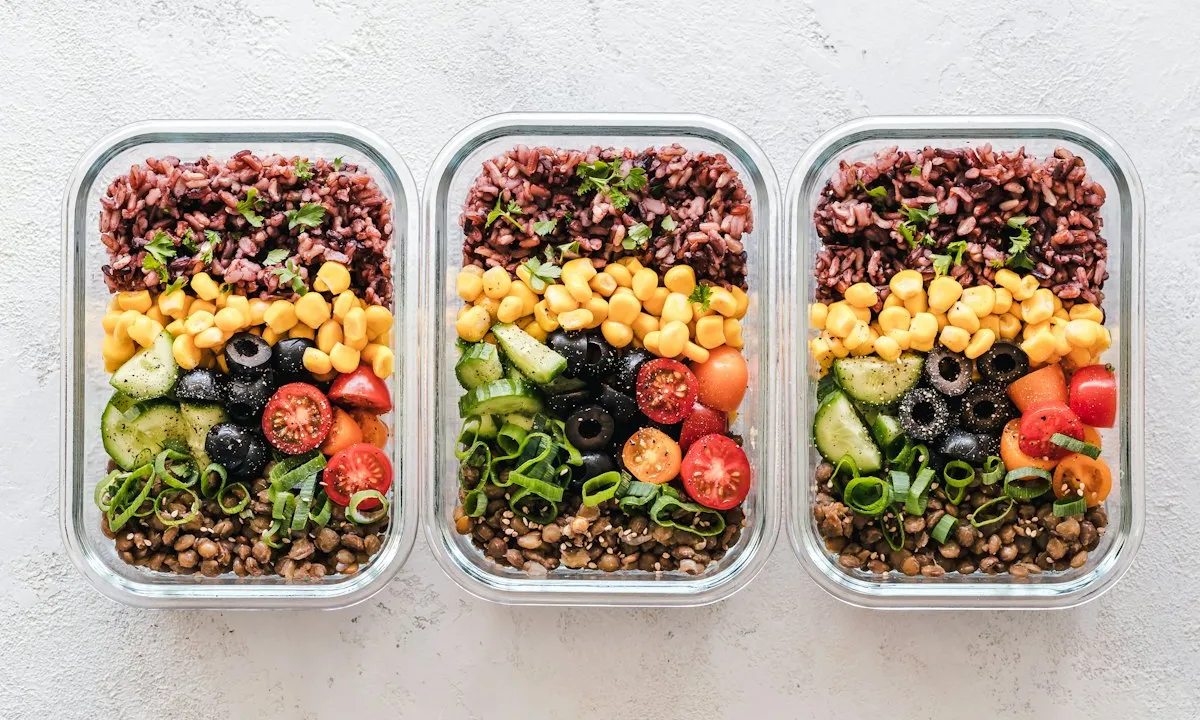
Fiber rarely gets the spotlight that protein or vitamins do, yet it plays a quiet but essential role in how your body works every day. Many people eat less fiber than general dietary guidance recommends, often because modern diets lean heavily on refined and processed foods. The good news is that adding more fiber is usually simple, affordable and tasty once you know where to look.
What Exactly Is Fiber?
Dietary fiber is the part of plant foods that your body cannot fully digest. Unlike most carbohydrates, which are broken down and absorbed, fiber passes through much of the digestive system relatively intact. Along the way, it influences digestion, the movement of food through the gut and the bacteria that live in your large intestine.
Fiber is found only in plant foods. Meat, fish, eggs and dairy contain essentially none, which is one reason a diet built mostly on animal products and refined grains can fall short.
Soluble and Insoluble Fiber
Fiber is often grouped into two broad types. Most plant foods contain a mix of both.
- Soluble fiber dissolves in water to form a gel-like substance. It is found in foods such as oats, barley, beans, lentils, apples and citrus fruit. This type is associated with slowing digestion and helping you feel full.
- Insoluble fiber does not dissolve in water. It adds bulk to stool and helps food move through the digestive tract. Whole wheat, bran, nuts, seeds and the skins of many vegetables and fruits are good sources.
Rather than worrying about which type you are eating, focus on eating a wide variety of plant foods. That naturally gives you a healthy blend.
Why Your Gut Loves Fiber
Fiber supports digestive health in several ways. By adding bulk and softness to stool, it helps keep bowel movements regular and comfortable. It also acts as food for many of the beneficial bacteria in your gut. When these microbes ferment certain fibers, they produce compounds that help nourish the cells lining the intestine.
Beyond the gut, fiber-rich eating patterns are widely linked with broader health benefits. They tend to help with feeling satisfied after meals, support steadier blood sugar after eating and are associated with healthy cholesterol levels and heart health. Fiber-rich foods also tend to come packaged with vitamins, minerals and other helpful plant compounds.
Top Food Sources of Fiber
You do not need special products or supplements to get enough fiber. Everyday foods do the job well:
- Legumes: beans, lentils, chickpeas and split peas are among the richest sources.
- Whole grains: oats, barley, brown rice, quinoa, whole wheat bread and pasta.
- Vegetables: broccoli, carrots, Brussels sprouts, leafy greens, peas and artichokes.
- Fruit: berries, pears, apples, oranges and bananas, ideally eaten whole rather than juiced.
- Nuts and seeds: almonds, chia seeds, flaxseeds, sunflower and pumpkin seeds.
Keeping edible skins on potatoes, apples and pears adds extra fiber with no extra effort.
How to Increase Fiber Comfortably
If your current diet is low in fiber, increasing it suddenly can cause bloating or gas. A gradual approach usually works better:
- Add one change at a time. Swap white bread for whole grain, or add a handful of beans to a soup, then build from there over a couple of weeks.
- Drink enough fluids. Fiber works best with adequate water, which helps keep things moving smoothly.
- Spread it across the day. Include a fiber source at each meal and snack instead of loading it all into one sitting.
- Choose whole over processed. Whole fruit instead of juice, and intact grains instead of refined versions.
- Listen to your body. Some people with digestive conditions need a tailored approach, so personal guidance can help.
Simple Fiber-Boosting Ideas
Small additions add up. Sprinkle seeds on yogurt or cereal, mix lentils into pasta sauce, snack on fruit with a few nuts, add extra vegetables to omelets and stir-fries, or choose a bean-based salad for lunch. Over time, these habits can shift your overall eating pattern without feeling like a diet.
Key Takeaways
- Fiber is the indigestible part of plant foods and supports regular, comfortable digestion.
- Soluble and insoluble fiber both matter, and a varied plant-rich diet provides both.
- Legumes, whole grains, vegetables, fruit, nuts and seeds are excellent everyday sources.
- Increase fiber gradually and drink enough fluids to avoid discomfort.
- Whole foods are generally a better choice than juices and refined products.
This article is for general information only and is not medical advice. Talk to a doctor or registered dietitian before making major changes to your diet.
Editorial Team
This article was researched and written by the Vencoing Com Editorial Team. We focus on accurate, practical explanations of technology topics and link to official sources so you can verify key points yourself.
Meet the teamYou May Also Like