Healthy Snacks That Keep You Full Between Meals
Find out how to choose satisfying snacks that combine protein, fiber and healthy fats, plus practical ideas to curb hunger and keep energy steady all day.
Snacking has a mixed reputation. Done without much thought, it can mean grabbing whatever is nearby, often something sweet or salty that leaves you hungry again soon after. Done with a little planning, snacks can bridge the gap between meals, keep your energy steady and stop you from arriving at dinner ravenous. The secret lies less in willpower and more in choosing the right combination of foods.
Why Some Snacks Fill You Up and Others Do Not
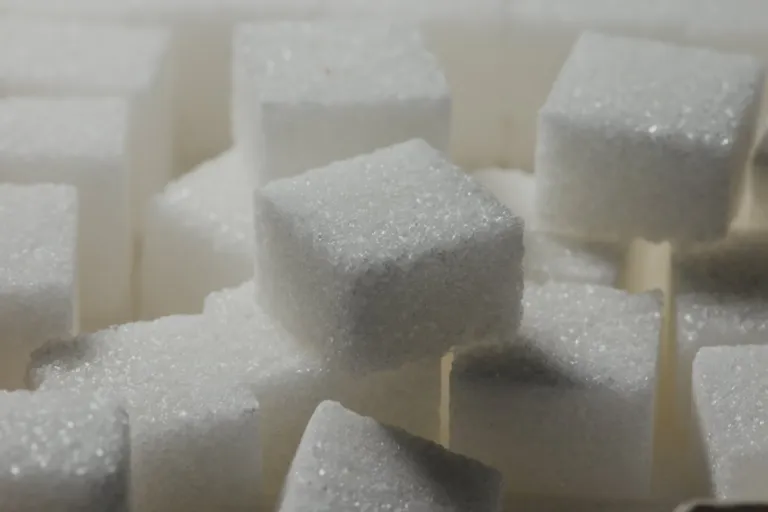
Not all snacks are equally satisfying. Foods made mostly of refined starch or sugar, such as many crackers, pastries and sweets, are digested quickly. They may give a brief lift but often leave you looking for more food shortly afterward.
Snacks that keep you full tend to include one or more of these elements:
- Protein, which is widely recognized for its ability to increase feelings of fullness.
- Fiber, which adds bulk and slows digestion.
- Healthy fats, which make food more satisfying and digest slowly.
- Water and volume, found in fruit and vegetables, which fill your stomach for relatively little energy.
Pairing two of these together, such as protein with fiber, is a reliable strategy.
Smart Snack Pairings
Here are simple combinations that bring together several of those filling elements:
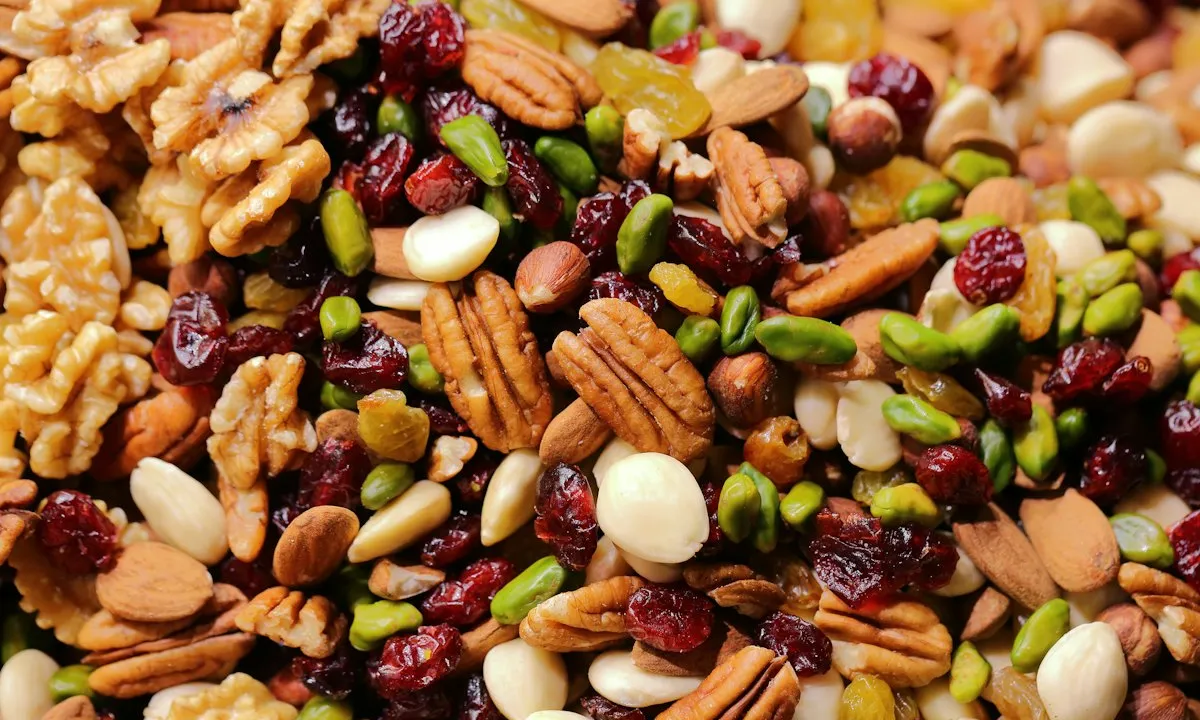
- An apple or pear with a small handful of nuts
- Plain yogurt topped with berries and a sprinkle of seeds
- Carrot, cucumber or pepper sticks with hummus
- A hard-boiled egg with cherry tomatoes
- Whole grain toast with mashed avocado
- Cottage cheese with sliced fruit
- Roasted chickpeas seasoned with herbs and spices
- A banana with a thin spread of nut butter
Each of these offers more staying power than a snack based on refined starch alone.
Portion Size Still Matters
Even nutritious snacks can add up quickly, particularly energy-dense foods like nuts, dried fruit, cheese and nut butters. A snack is meant to tide you over, not replace a meal. A few practical tips can help:
- Serve a portion into a bowl instead of eating directly from a large bag or container.
- Pre-pack snacks into small containers at the start of the week.
- Eat slowly and without screens when you can, so you notice when you feel satisfied.
Timing Your Snacks
There is no single right number of snacks per day. Some people feel best with three meals and no snacks, while others prefer smaller meals with a snack or two in between. Pay attention to your own hunger patterns.
A snack can be especially useful if there is a long gap between meals, before or after physical activity, or when you notice that intense hunger in the late afternoon leads to overeating in the evening. On the other hand, if you often snack out of boredom, stress or habit, it may help to pause and ask whether you are truly hungry. Sometimes a glass of water, a short walk or a change of task is what you really need.
Planning Ahead Makes It Easier
Most less-healthy snacking happens when nothing better is within reach. A bit of preparation removes that problem:
- Keep a fruit bowl visible on the counter or desk.
- Wash and cut vegetables in advance and store them at eye level in the fridge.
- Keep shelf-stable options, such as nuts, seeds or whole grain crackers, in your bag or at work.
- Cook a batch of hard-boiled eggs or roasted chickpeas for the week.
When the convenient choice is also a nourishing one, good habits follow more naturally.
Snacks to Enjoy Occasionally
Treats like chocolate, chips or baked goods can still have a place in a balanced diet. Rather than banning them, which can make them feel more tempting, enjoy them mindfully and in reasonable amounts. Pairing a small treat with something more filling, such as a few squares of dark chocolate with nuts, can make it more satisfying.
Key Takeaways
- Snacks with protein, fiber, healthy fats or high water content keep you full longer.
- Pairing foods, like fruit with nuts or vegetables with hummus, adds staying power.
- Watch portions of energy-dense snacks by serving them into a bowl or container.
- Snack in response to real hunger, not just boredom or habit.
- Preparing snacks in advance makes healthy choices the easy choice.
This article is for general information only and is not medical advice. Talk to a doctor or registered dietitian before making major changes to your diet.
Editorial Team
This article was researched and written by the Vencoing Com Editorial Team. We focus on accurate, practical explanations of technology topics and link to official sources so you can verify key points yourself.
Meet the teamYou May Also Like