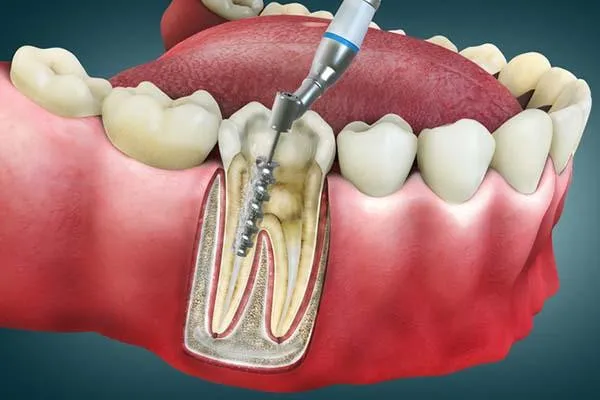
What Is a Dental Filling and How Does the Procedure Work?
Tooth decay is one of the most common dental problems affecting people of all ages. When bacteria damage the outer layer of a tooth, they can create small holes known as cavities. If left untreated, these cavities may become larger and cause pain, sensitivity, and even infection. One of the most effective ways to repair a damaged tooth is through a dental filling. This simple dental procedure helps restore the tooth’s structure, function, and appearance.
What Is a Dental Filling?
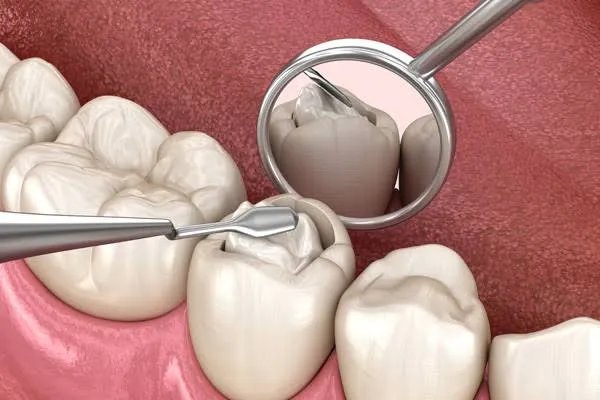
A dental filling is a restorative treatment used to repair a tooth damaged by decay, cracks, or minor wear. During the procedure, a dentist removes the decayed portion of the tooth and fills the empty space with a special dental material.
The main purpose of a filling is to prevent further decay, protect the remaining tooth structure, and restore normal chewing function. Dental fillings are available in different materials, allowing dentists to choose the most suitable option based on the patient’s needs and the location of the damaged tooth.
When Do You Need a Dental Filling?
A dentist may recommend a dental filling when you develop a cavity or experience minor tooth damage. Some common signs that you may need a filling include:
- Tooth Sensitivity: Increased sensitivity to hot, cold, or sweet foods may indicate damage to the tooth.
- Visible Holes or Dark Spots: Small holes or dark areas on the tooth can be signs of tooth decay.
- Toothache: Pain or discomfort while chewing may indicate that a cavity needs treatment.
- Food Getting Stuck: If food frequently becomes trapped in a particular area between teeth, it may be due to a cavity.
- Chipped Tooth: Minor chips or cracks can sometimes be repaired with dental filling materials.
However, some cavities do not cause noticeable symptoms. Regular dental checkups can help identify tooth decay before it becomes serious.
Different Types of Dental Fillings
Dentists use several types of materials for dental fillings. The most common options include:
1. Composite Resin Fillings: These tooth-colored fillings blend naturally with your teeth. They are commonly used for visible areas because of their attractive appearance.
2. Amalgam Fillings: Made from a mixture of metals, amalgam fillings are strong and durable. They are generally used for back teeth where chewing pressure is greater.
3. Ceramic Fillings: These fillings are made from porcelain and offer a natural appearance with good durability.
4. Gold Fillings: Gold fillings are highly durable and can last many years, although they are usually more expensive than other options.
How Does the Dental Filling Procedure Work?
Getting a dental filling is usually a straightforward procedure. First, the dentist examines the affected tooth and may take an X-ray to assess the extent of decay.
Next, local anesthesia may be used to numb the area and prevent discomfort. The dentist then removes the decayed portion of the tooth using specialized dental instruments. After cleaning the cavity, the selected filling material is placed inside the prepared space.
Finally, the dentist shapes and polishes the filling to ensure a comfortable bite. Most routine fillings can be completed in a single appointment.
How Long Do Dental Fillings Last?
The lifespan of a dental filling depends on the material used, oral hygiene habits, and chewing pressure. Some fillings last several years, while others can remain in good condition for much longer. Brushing twice daily, flossing regularly, and visiting your dentist can help extend their lifespan.
Conclusion
Dental fillings are an effective way to repair cavities and protect natural teeth from further damage. The procedure is generally quick, comfortable, and helps restore normal tooth function. If you notice tooth sensitivity, pain, or visible signs of decay, consult a qualified dentist. Treating cavities early can help prevent more complicated dental problems and maintain a healthy smile.
Editorial Team
This article was researched and written by the Vencoing Com Editorial Team. We focus on accurate, practical explanations of technology topics and link to official sources so you can verify key points yourself.
Meet the teamYou May Also Like