What to Expect During Your First Visit to the Dentist

Visiting a dentist for the first time can feel stressful, especially if you are unsure what will happen during the appointment. However, regular dental visits are essential for maintaining healthy teeth and gums. Whether you are visiting because of tooth pain, a routine checkup, or general oral health concerns, understanding the process can help you feel more comfortable and confident.
A first dental appointment usually involves a discussion about your medical history, a complete examination of your teeth and gums, and recommendations for maintaining good oral hygiene.
1. Discussing Your Medical and Dental History
Your first visit usually begins with a conversation about your medical and dental history. The dentist or dental assistant may ask about previous dental treatments, current medications, allergies, and any health conditions that could affect your oral health.
You may also be asked about specific concerns, such as tooth sensitivity, bleeding gums, bad breath, or persistent toothache. Sharing accurate information helps your dentist understand your needs and provide appropriate care.
2. Examining Your Teeth and Gums
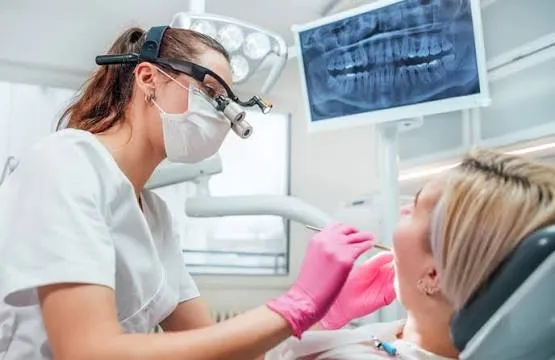
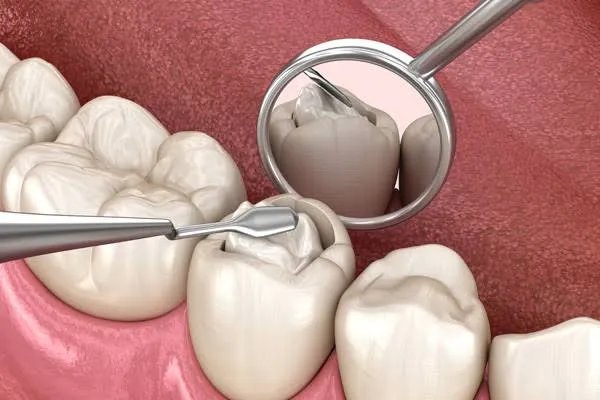
After reviewing your medical history, the dentist will examine your mouth. This includes checking your teeth for cavities, cracks, discoloration, and other signs of damage.
Your gums will also be examined for swelling, redness, bleeding, and signs of gum disease. The dentist may check your tongue, cheeks, and other soft tissues to identify unusual changes.
This examination helps detect potential dental problems before they become more serious.
3. Dental X-Rays If Needed
Depending on your dental condition, your dentist may recommend dental X-rays. These images help identify problems that cannot be easily seen during a regular examination.
For example, X-rays can reveal hidden cavities between teeth, infections around tooth roots, bone loss, and impacted wisdom teeth. Not every patient needs X-rays during their first appointment. Your dentist will recommend them based on your individual needs.
4. Professional Teeth Cleaning
In some cases, your first visit may include professional teeth cleaning. During this process, a dental hygienist or dentist removes plaque and hardened tartar from your teeth.
The teeth may then be polished to remove surface stains and leave them feeling smooth and clean. Professional cleaning helps reduce the risk of cavities and gum disease.
However, if you have significant dental problems, your dentist may recommend treating those issues before scheduling a cleaning.
5. Discussing Treatment Options
Once the examination is complete, your dentist will explain any dental problems that need attention. If you have cavities, gum disease, damaged teeth, or other concerns, they will discuss suitable treatment options.
Your dentist may also explain the expected treatment costs, number of appointments, and preventive measures you should follow. This is a good opportunity to ask questions and discuss any concerns you have.
6. Tips to Prepare for Your First Dental Visit
A little preparation can make your appointment easier and more productive.
- Brush and floss your teeth before the appointment.
- Bring information about your current medications and allergies.
- Share your medical and dental history honestly.
- Write down any questions or concerns you want to discuss.
- Arrive a few minutes early to complete any necessary paperwork.
Why Are Regular Dental Visits Important?
Regular dental checkups help identify oral health problems early, reduce the risk of serious dental conditions, and maintain healthy teeth and gums. Even if you are not experiencing pain, visiting a dentist can help prevent future complications.
Conclusion
Your first visit to the dentist is an important step toward maintaining good oral health. From reviewing your medical history to examining your teeth and discussing treatment options, the appointment helps your dentist understand your dental needs. Do not hesitate to ask questions or share your concerns. With regular checkups and proper oral hygiene, you can protect your smile and enjoy healthier teeth for years to come.
Editorial Team
This article was researched and written by the Vencoing Com Editorial Team. We focus on accurate, practical explanations of technology topics and link to official sources so you can verify key points yourself.
Meet the teamYou May Also Like