What Is a Root Canal Treatment and When Do You Need One?
Dental problems can sometimes cause severe pain and discomfort, especially when an infection reaches the inner part of a tooth. One common dental procedure used to treat this condition is root canal treatment. Many people feel nervous when they hear the words “root canal,” but this procedure is designed to save a damaged or infected tooth and relieve pain. Understanding how it works and when you need it can help you make better decisions about your dental health.
What Is Root Canal Treatment?
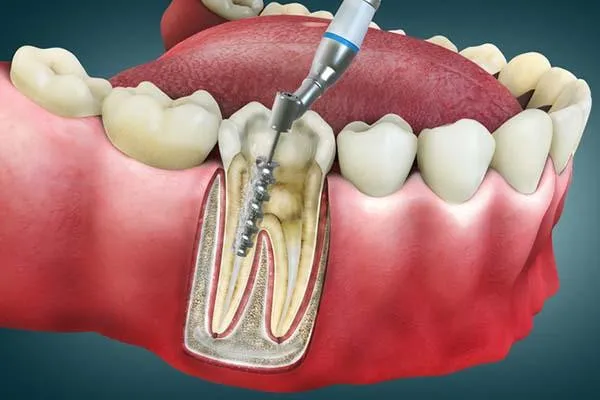
Root canal treatment is a dental procedure used to remove infected or damaged tissue from inside a tooth. The soft tissue inside the tooth, known as the pulp, contains nerves and blood vessels. When bacteria enter this area through deep cavities, cracks, or dental injuries, they can cause infection and inflammation.
During the procedure, a dentist removes the infected pulp, cleans and disinfects the inside of the tooth, and fills the space with a special dental material. The tooth is then sealed to prevent further infection. In many cases, a dental crown is placed over the treated tooth to restore its strength and function.
When Do You Need a Root Canal?
A dentist may recommend root canal treatment when the pulp inside your tooth becomes infected or severely damaged. Some common warning signs include:
- Severe Toothache: Persistent or intense tooth pain, especially while chewing or biting, may indicate damage to the inner tooth.
- Sensitivity to Hot and Cold: If your tooth remains sensitive for a long time after consuming hot or cold foods and drinks, it may be a sign of pulp damage.
- Swollen or Tender Gums: Swelling around a particular tooth can indicate an infection that requires dental attention.
- Tooth Discoloration: A tooth that becomes darker than the surrounding teeth may have damaged or dying pulp.
- Dental Abscess: A pocket of pus near the tooth or gums can indicate a bacterial infection that may require root canal treatment.
However, not everyone with these symptoms needs a root canal. A dentist must examine the tooth and may recommend dental X-rays to determine the appropriate treatment.
How Is Root Canal Treatment Performed?
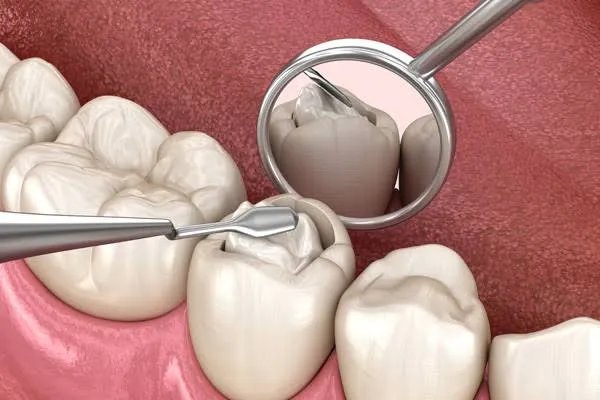
Root canal treatment usually involves several important steps. First, the dentist examines the affected tooth and uses local anesthesia to make the procedure comfortable. Next, a small opening is created in the tooth to access the infected pulp.
The dentist carefully removes the damaged tissue, cleans the root canals, and shapes them for filling. After disinfection, the canals are filled with a rubber-like material called gutta-percha and sealed. Finally, the tooth is restored with a filling or dental crown, depending on the amount of remaining tooth structure.
Is Root Canal Treatment Painful?
Modern root canal treatment is generally comfortable because dentists use local anesthesia to numb the affected area. Most patients experience little or no pain during the procedure. Some mild tenderness or sensitivity may occur afterward, but it usually improves within a few days.
Benefits of Root Canal Treatment
The biggest benefit of root canal treatment is that it helps save your natural tooth instead of removing it. It also eliminates infected tissue, relieves dental pain, restores normal chewing function, and helps prevent the spread of infection.
Conclusion
Root canal treatment is an effective dental procedure for treating infected or severely damaged teeth. If you experience persistent tooth pain, swelling, prolonged sensitivity, or other unusual symptoms, consult a qualified dentist. Early diagnosis and proper treatment can protect your natural teeth and help maintain a healthy smile for years to come.
Editorial Team
This article was researched and written by the Vencoing Com Editorial Team. We focus on accurate, practical explanations of technology topics and link to official sources so you can verify key points yourself.
Meet the teamYou May Also Like