How to Read Food Labels Without Getting Confused
A clear, step-by-step guide to reading nutrition labels and ingredient lists so you can compare products quickly and make better choices at the store.
Food packaging is full of information, but it is not always easy to make sense of. Between serving sizes, percentages, ingredient lists and bold claims on the front of the box, a quick shopping trip can start to feel like a puzzle. Learning a few simple steps for reading labels can help you compare products with confidence and choose foods that suit your goals.
Start With the Serving Size
Every number on a nutrition label is based on a stated serving size, so this is the first thing to check. The serving listed may be smaller than the amount you would normally eat. If a package says it contains several servings and you eat the whole thing, you need to multiply the figures accordingly.
Many labels also show values per 100 grams or 100 milliliters. This is especially useful for comparing two similar products, because it puts them on equal terms regardless of package size.
Understand the Key Nutrients
Nutrition panels vary by country, but most list similar core information. Here is what to look for:
- Energy (calories or kilojoules): how much energy a serving provides.
- Total fat and saturated fat: general guidance encourages limiting saturated fat and avoiding trans fat where it is listed.
- Carbohydrates and sugars: some labels separate out added sugars, which are worth keeping low.
- Fiber: higher is generally better.
- Protein: useful for comparing filling, satisfying options.
- Sodium or salt: many packaged foods are high in salt, so this is an important one to compare.
As a simple rule of thumb, look for products that are lower in saturated fat, added sugar and sodium, and higher in fiber.
Use Percent Daily Values as a Shortcut
Many labels show a percentage next to each nutrient, sometimes called the percent daily value or reference intake. This tells you roughly how much one serving contributes to a typical day’s total. These percentages are based on a general reference diet, so they will not match everyone’s needs precisely, but they are a helpful quick guide.
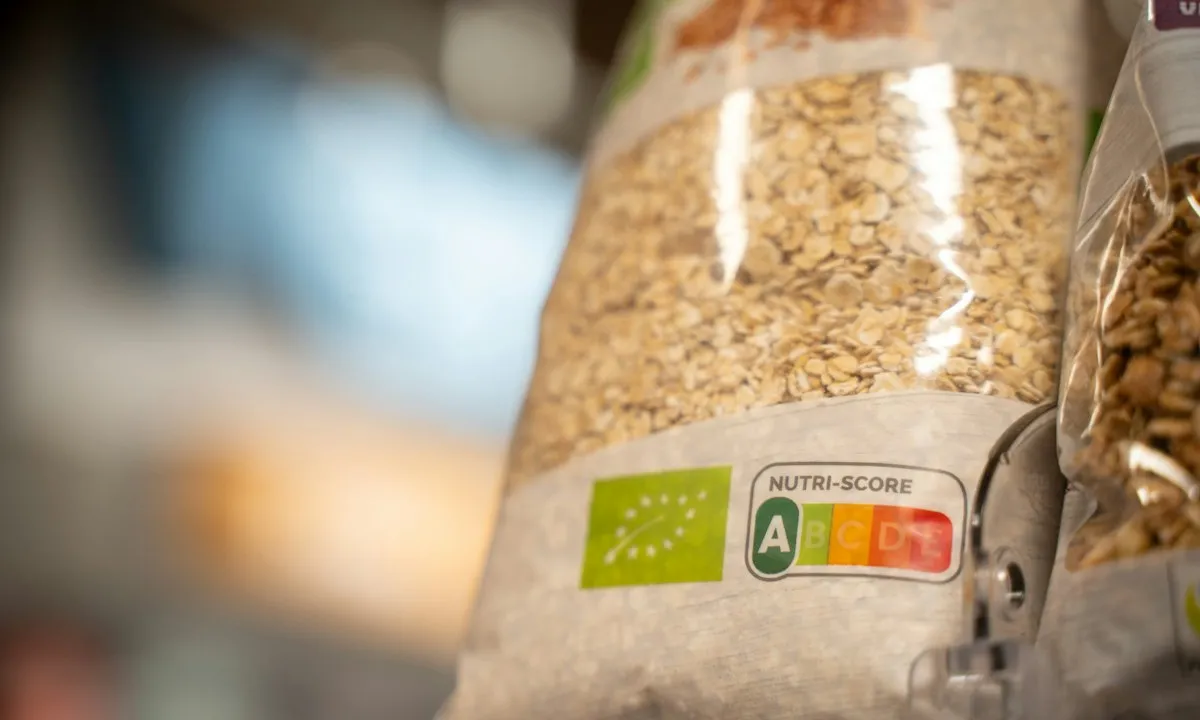
A low percentage means a serving provides a small share, while a high percentage means it provides a large share. Use this to spot foods that are high in nutrients you want more of, such as fiber, or high in those you want to limit, such as sodium. Some countries also use color-coded front-of-pack labels, where green, amber and red indicate low, medium and high levels.
Read the Ingredient List
The ingredient list often tells you more than the nutrition panel. Ingredients are usually listed in order by weight, from most to least. If sugar, refined flour or oil appears near the top, that ingredient makes up a large part of the product.
Keep these points in mind:
- Shorter lists with recognizable foods often indicate a less processed product, though this is not a strict rule.
- Sugar has many names, including syrups, nectars and words ending in “-ose.” Several of these in one list can add up.
- Whole grain products should list a whole grain as the first ingredient.
- Allergens are typically highlighted or listed separately, which is essential if you have a food allergy.
Be Skeptical of Front-of-Pack Claims
The front of the package is designed to sell. Words like “natural,” “light,” “multigrain” or “made with real fruit” can sound healthy without telling you much. A product labeled “low fat” may contain extra sugar, and a “no added sugar” product may still be high in salt or naturally occurring sugars.
Treat these claims as a starting point rather than a verdict. Turn the package over and check the nutrition panel and ingredients to see the full picture.
Make Comparisons Quick and Easy
You do not need to study every label in the store. Focus on the foods you buy often, such as bread, cereal, yogurt, sauces and snacks. Compare two or three options once using the per-100-gram values, pick the one that best fits your priorities and make it your regular choice. Over time, these small decisions shape your overall diet.
Key Takeaways
- Always check the serving size first and adjust for how much you actually eat.
- Look for lower saturated fat, added sugar and sodium, and higher fiber.
- Use percent daily values and per-100-gram figures for quick comparisons.
- Read ingredient lists, which are ordered from most to least by weight.
- Do not rely on front-of-pack claims alone; check the full label.
This article is for general information only and is not medical advice. Talk to a doctor or registered dietitian before making major changes to your diet.
Editorial Team
This article was researched and written by the Vencoing Com Editorial Team. We focus on accurate, practical explanations of technology topics and link to official sources so you can verify key points yourself.
Meet the teamYou May Also Like