Protein Needs Explained: How Much Do You Really Need?
Understand what protein does in your body, what affects how much you need, and how to spread good protein sources across your meals in a balanced way.

Protein is one of the most talked-about nutrients today. Supermarket shelves are filled with high-protein bars, shakes and snacks, and it can be easy to assume that more is always better. In reality, most people can meet their needs through ordinary meals, and the bigger questions are about quality, variety and timing rather than chasing ever-higher amounts.
What Protein Does in Your Body
Protein is made up of smaller units called amino acids. Your body uses them to build and repair muscles, skin, bones and other tissues. Protein is also involved in making enzymes and hormones, supporting the immune system and transporting substances in the blood.
Some amino acids can be made by the body, while others, known as essential amino acids, must come from food. This is why eating a variety of protein sources is valuable.
What Affects How Much You Need
Protein needs are not the same for everyone. Official recommendations are usually based on body weight and set to cover the needs of most healthy adults. Beyond that baseline, several factors can change what is appropriate for you:
- Age: older adults may benefit from paying closer attention to protein to help maintain muscle.
- Activity level: people who do regular strength training or endurance exercise often need somewhat more.
- Life stage: pregnancy and breastfeeding increase needs.
- Health status: recovery from illness or injury, and some medical conditions, can change requirements in either direction.
Because individual needs vary, a doctor or registered dietitian is the best source of a personal target, especially if you have a health condition affecting your kidneys or other organs.
Signs You May Be Getting Enough
For most people eating a varied diet that includes a protein food at each meal, falling short is uncommon. If your meals regularly include foods like eggs, dairy, fish, poultry, meat, beans, lentils, tofu or nuts, you are likely on track. Those who may need to pay more attention include people with very small appetites, those following restrictive diets and some older adults.
Animal and Plant Protein Sources
Both animal and plant foods can provide protein, and each offers different benefits.
- Animal sources: fish, seafood, poultry, eggs, dairy and meat provide all the essential amino acids.
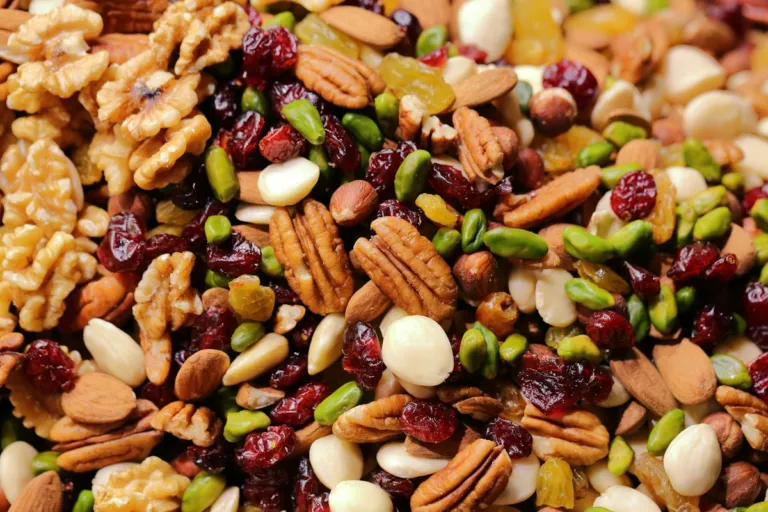
- Plant sources: beans, lentils, chickpeas, peas, soy foods, nuts, seeds and whole grains also provide protein, along with fiber and other plant nutrients.
Most individual plant foods contain lower amounts of some essential amino acids, but eating a variety of plant proteins over the course of the day covers this well. Many health organizations encourage including more plant proteins and choosing fish and poultry more often than processed and red meats.
Spreading Protein Across the Day
Many people eat little protein at breakfast and a large amount at dinner. Spreading it more evenly across meals is a practical approach that helps with fullness throughout the day. A few easy ideas:
- Breakfast: eggs, yogurt, cottage cheese, or oats cooked with milk and topped with seeds.
- Lunch: add beans, lentils, tuna, chicken or tofu to salads, soups and wraps.
- Dinner: a palm-sized portion of fish, poultry, meat or a plant protein alongside vegetables and whole grains.
- Snacks: nuts, roasted chickpeas, hummus or a glass of milk.
Is More Protein Always Better?
Not necessarily. Eating far more protein than you need does not automatically build more muscle; muscle growth depends on regular physical activity, overall energy intake and rest. Extra protein beyond your needs is simply used for energy or stored. Relying heavily on supplements can also crowd out whole foods that provide fiber, vitamins and minerals.
Protein powders and bars can be convenient in some situations, but for most people they are optional rather than essential. Whole foods remain the foundation.
Key Takeaways
- Protein builds and repairs tissues and supports many functions in the body.
- Needs vary with age, activity level, life stage and health status.
- Most people can meet their needs with a protein food at each meal.
- Combine animal and plant sources, and include a variety of plant proteins.
- Spread protein across the day and focus on whole foods over supplements.
This article is for general information only and is not medical advice. Talk to a doctor or registered dietitian before making major changes to your diet.
Editorial Team
This article was researched and written by the Vencoing Com Editorial Team. We focus on accurate, practical explanations of technology topics and link to official sources so you can verify key points yourself.
Meet the teamYou May Also Like